
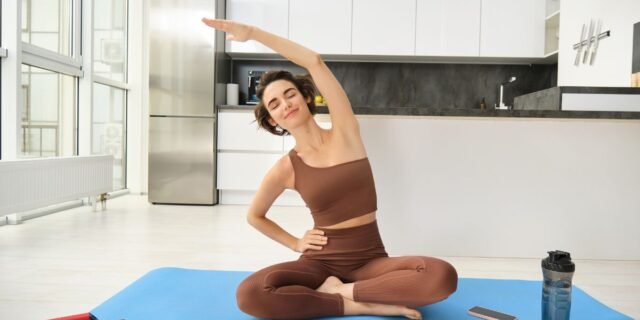
Quick answer: Light movement within 60–90 minutes after eating helps active muscles pull glucose out of the bloodstream, which softens the sluggishness, bloating, and sugar crashes that tend to follow a meal. The most effective low-impact options, wa...
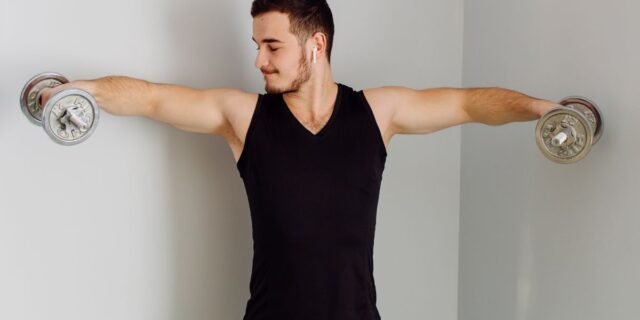
Best Shoulder Isolation Exercises for Bigger, Stronger Delts
Quick Answer Shoulder isolation exercises target the front, side, and rear deltoid heads individually, building balanced size and strength that compound lifts alone can’t achieve. The most effective moves include lateral raises, front raises...
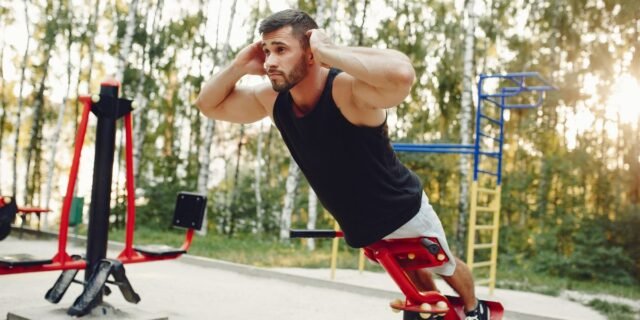
How to Build a Strong Physique with Just 7 Essential Exercises
Quick Answer Building a strong physique doesn’t require an endless exercise list. Seven compound movements, the squat, deadlift, barbell row, bench press, overhead press, lunge, and farmer’s walk, train every major muscle group, build ...
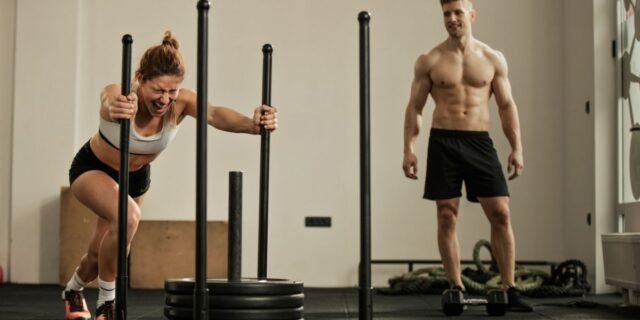
Sled Push vs Squats: Which Builds More Muscle With Less Recovery Time?
Quick answer: Squats and sled pushes activate the quads at nearly equal levels, but squats create far more muscle damage through their eccentric loading phase, requiring up to 72 hours of recovery. Sled pushes are concentric only, matching quad activ...
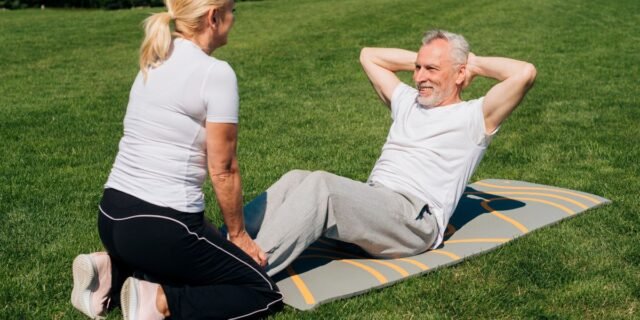
The 10 Best Core Stability Exercises for Adults Over 50 to Improve Balance and Prevent Falls
Quick Answer Core stability exercises for adults over 50 strengthen the deep stabilizer muscles that protect the spine, support balance, and reduce fall risk. None of these ten movements require a traditional plank, making them accessible for peop...
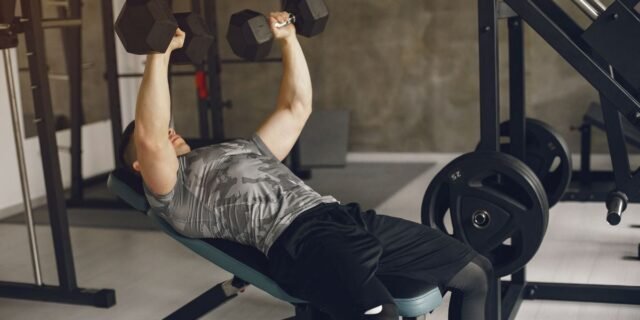
The Best Upper Chest Exercises, Ranked by Muscle Activation
Quick answer: The clavicular head of the pec major responds best to a bench angle between 30 and 45 degrees combined with horizontal adduction, meaning the arms drive up and inward, not just upward. Incline dumbbell presses, low to high cable flies, ...
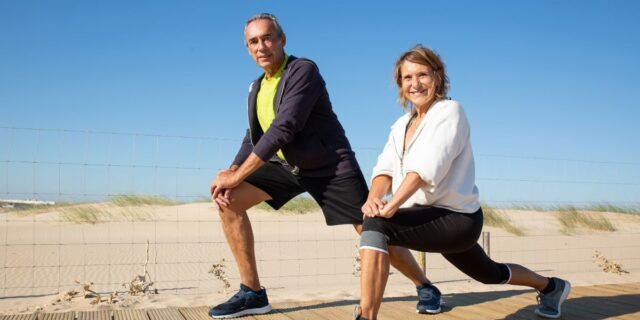
Why Single-Leg Exercises Are Better Than Squats for Strength, Stability, and Healthy Aging
Quick Answer Single-leg exercises build strength, balance, and hip stability that standard squats often miss, particularly in the glutes, hamstrings, and adductors. Research shows unilateral training improves single-leg power, sprint performance, ...
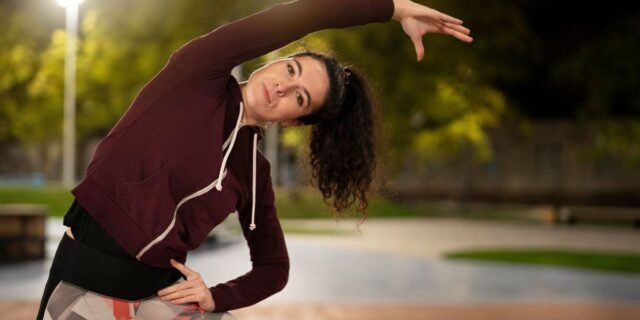
The Hidden Benefits of Low-Impact Exercise: Why Gentle Movement Is Better Than You Think
Quick Answer Low-impact exercise protects joints, builds core strength, and lowers stress hormones while remaining easy to sustain long-term. Walking, swimming, yoga, Pilates, and cycling deliver comparable cardiovascular and metabolic benefits to...

Exercise Tempo Explained: The Hidden Key to Better Strength and Muscle Gains
Quick Answer: Exercise tempo controls how fast each phase of a lift happens, directly setting time under tension and shaping strength, muscle growth, and injury risk. A four-number code, eccentric, bottom pause, concentric, top pause, lets lifters ma...

The Science of Aging Well: Exercises That Help You Stay Strong After 50
Quick Answer: Staying strong after 50 requires 4 exercise categories: strength training (squats, push-ups, glute bridges) to fight sarcopenia and bone loss, cardiovascular endurance (150 min/week, Zone 2) for heart and brain health, balance training ...