

Quick Answer: Spine strength exercises build a resilient, pain-resistant back by training core stability, glute strength, and postural muscles together rather than isolating the lower back. Clinically supported movements like the bird-dog, side plank...

Sprint Interval Training for Weight Loss: Why Short Sprints Burn More Fat Than Long Cardio
Quick Answer: Sprint interval training (SIT) burns significantly more body fat than traditional cardio in far less time, driven by intense post-exercise calorie burn, favorable hormonal shifts, and improved fat metabolism. Research shows SIT can outp...

Training Volume Explained: How Many Sets and Reps Build the Most Muscle?
Quick Answer: Training volume for muscle growth is best measured in hard sets per muscle group per week, generally 10–20, performed within a broad 6–20 rep range and taken close to muscular failure. Effort and consistency matter more than chasing one...
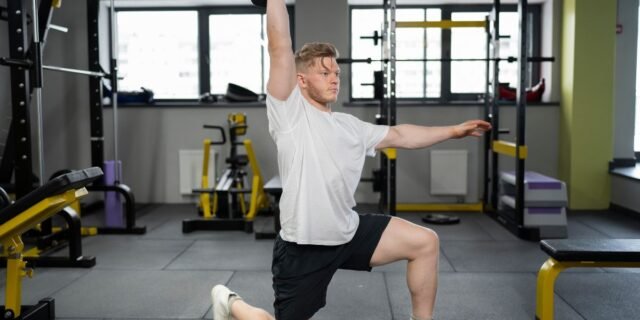
Unilateral Training: Why Single-Leg and Single-Arm Exercises Build More Balanced Strength
Quick Answer Unilateral training means working one limb at a time instead of both together, and it corrects muscle imbalances, builds deeper core stability, and lowers injury risk far more effectively than bilateral lifts alone, making it one of t...

Rotator Cuff Exercises: The Best Workout to Prevent Shoulder Pain and Injuries
Quick Answer: Rotator cuff exercises strengthen the four muscles that stabilize the shoulder joint, reducing the risk of impingement, tears, and chronic pain. Slow, controlled movements using light resistance target the supraspinatus, infraspinatus, ...

Progressive Overload Explained: The Fastest Way to Get Stronger
Quick Answer Progressive overload is the training principle of gradually increasing weight, reps, sets, or intensity so muscles are forced to adapt, and it remains the single most reliable method for building strength and muscle safely, provided t...

How to Train Like a Power Athlete: The Best Strength Exercises for Explosive Performance
Quick Answer: Power athlete training combines maximum-strength foundational lifting with high-velocity movements to maximize Force × Velocity output. Building a strength base first, then layering in Olympic lifts, plyometrics, and ballistic exercises...

Functional Strength Training: 6 Exercises That Build Real-World Power and Injury Resilience
Quick Answer: Functional strength training builds movement patterns the body actually uses in daily life and sport, rather than isolating single muscles. It develops grip, core stability, hip power, and joint resilience together, creating strength th...

Exercise Tempo Explained: The Hidden Key to Better Strength and Muscle Gains
Quick Answer: Exercise tempo controls how fast each phase of a lift happens, directly setting time under tension and shaping strength, muscle growth, and injury risk. A four-number code, eccentric, bottom pause, concentric, top pause, lets lifters ma...

Creatine After 40: Science-Backed Benefits for Muscle, Brain, and Healthy Aging
Quick Answer Creatine after 40 supports lean muscle preservation, bone density, cognitive function, blood sugar control, and cardiovascular recovery, with research showing measurable strength gains, sharper memory, and reduced age related muscle l...