

Quick Answer
Shoulder isolation exercises target the front, side, and rear deltoid heads individually, building balanced size and strength that compound lifts alone can’t achieve. The most effective moves include lateral raises, front raises, and rear delt flyes, performed with strict form and moderate reps for maximum hypertrophy.
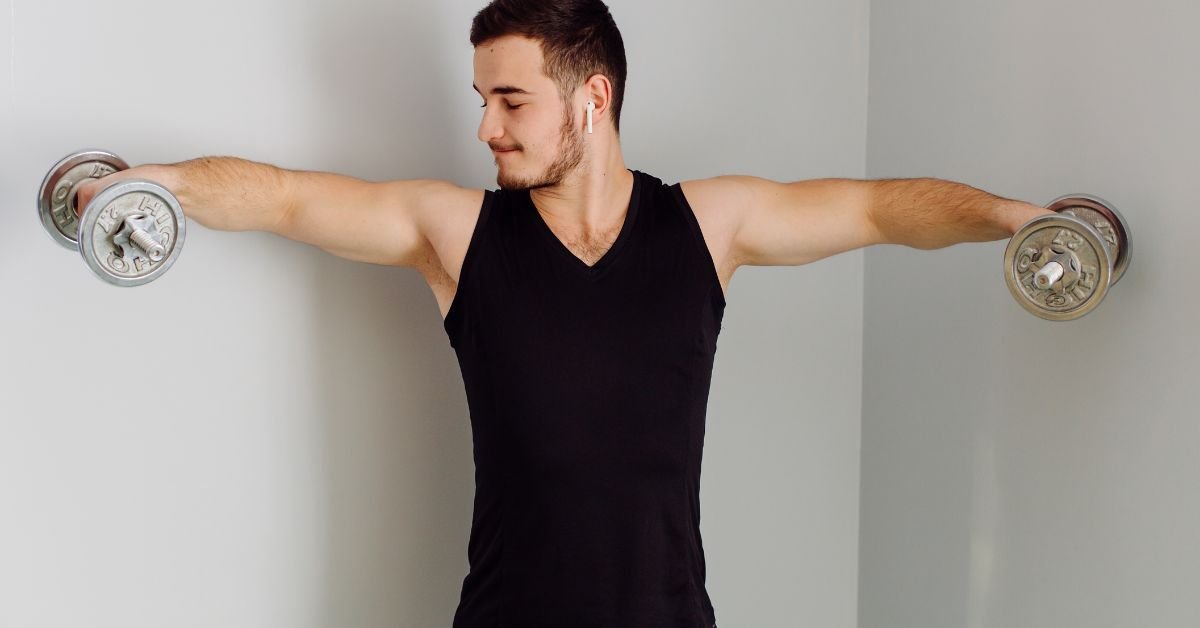
- Best side delt move: dumbbell or cable lateral raise
- Best front delt move: dumbbell or cable front raise
- Best rear delt move: chest-supported rear delt flye or face pull
- Ideal rep range: 10 to 15 reps per set
- Recommended frequency: twice per week per delt head, with 48 hours of recovery between sessions
Introduction
Round shoulders don’t happen by accident, and they definitely don’t happen from overhead presses alone. Research on shoulder training consistently points to one uncomfortable truth: the front delt gets hammered by nearly every pushing movement in a typical program, while the side and rear heads are left to fend for themselves. That imbalance shows up eventually, either as a flat, narrow look from the front, or as the rounded, hunched posture that comes from a rear delt nobody bothered to train.
Shoulder isolation exercises fix that. These are single-joint movements built to target one deltoid head at a time, unlike compound presses that spread the workload across the chest, triceps, and traps. Get the isolation work right and the payoff isn’t just aesthetic. Better shoulder symmetry means better joint stability, fewer nagging injuries, and stronger performance in the very presses that got neglectful in the first place.
This guide breaks the shoulder down into its three working parts, front, side, and rear, and hands over the exercises that actually build each one.
Want to see the right technique in action? Click here to watch the full exercise:
Why Shoulder Isolation Exercises Matter for Delt Growth
Isolation work exists to correct what compound lifts can’t fix. A barbell overhead press or a bench press bias the anterior delt hard, which means anyone training on presses alone is quietly building one-third of a shoulder while the other two-thirds sit undertrained.
That gap matters for more than looks. Underdeveloped side delts limit shoulder width and the classic V-taper. Underdeveloped rear delts weaken posture and put extra strain on the rotator cuff during pulling movements. Isolation exercises close that gap by putting direct, sustained tension on a single head, which increases time under tension and sharpens the mind-muscle connection, two of the more reliable levers for hypertrophy that don’t rely on piling on weight. For a deeper look at how muscle actually responds to training stimulus, this piece on proven tips to build muscle faster naturally is worth a read.
Shoulder Anatomy in Brief: Why Three Heads Need Different Angles
The deltoid is really three separate muscles wearing one name.
- The anterior (front) delt sits at the front of the shoulder and drives flexion, the motion of lifting the arm forward, like reaching for something on a high shelf.
- The lateral (side) delt sits on the outer shoulder and handles abduction, lifting the arm out to the side. This is the head responsible for that broad, capped look.
- The posterior (rear) delt sits at the back and controls extension, pulling the arm backward. It also plays a quiet but critical role in posture and shoulder stability during rowing and pulling movements.
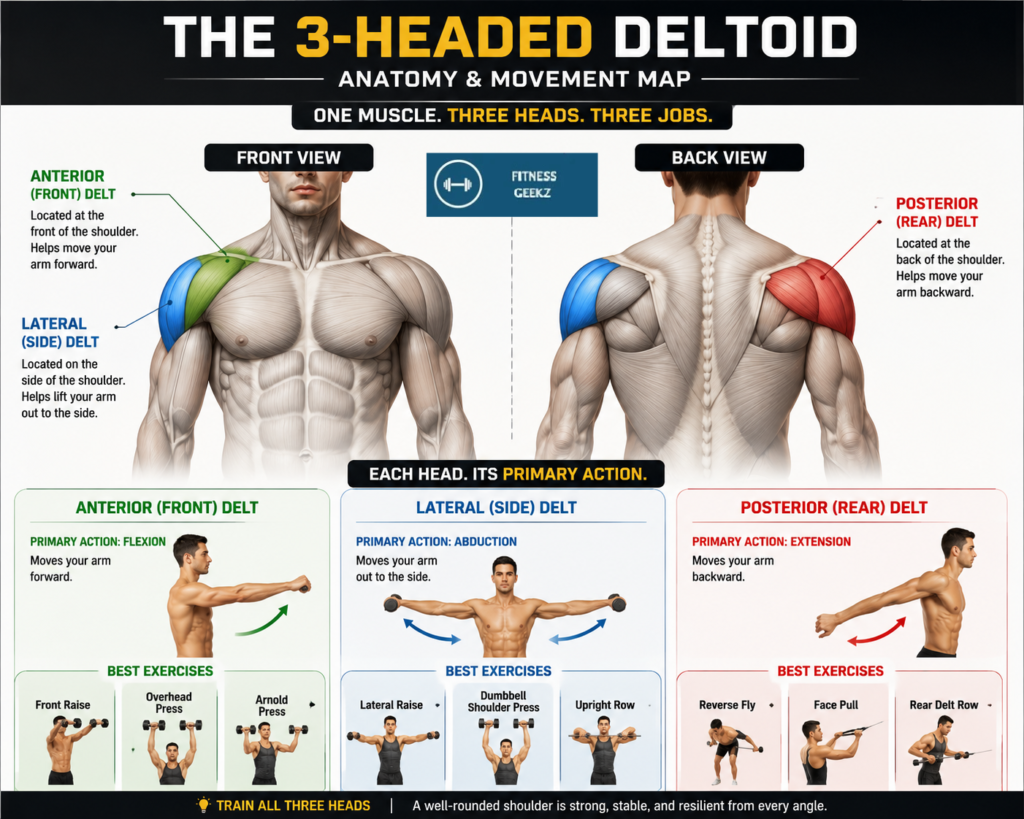
Because each head moves the arm in a different direction, each one needs its own angle of attack. No single exercise trains all three effectively, which is exactly why a proper shoulder routine needs at least one dedicated move per head.
Best Side Delt Isolation Exercises
If shoulder width is the goal, the side delt does the heavy lifting, and lateral raise variations are the most direct way to get there.
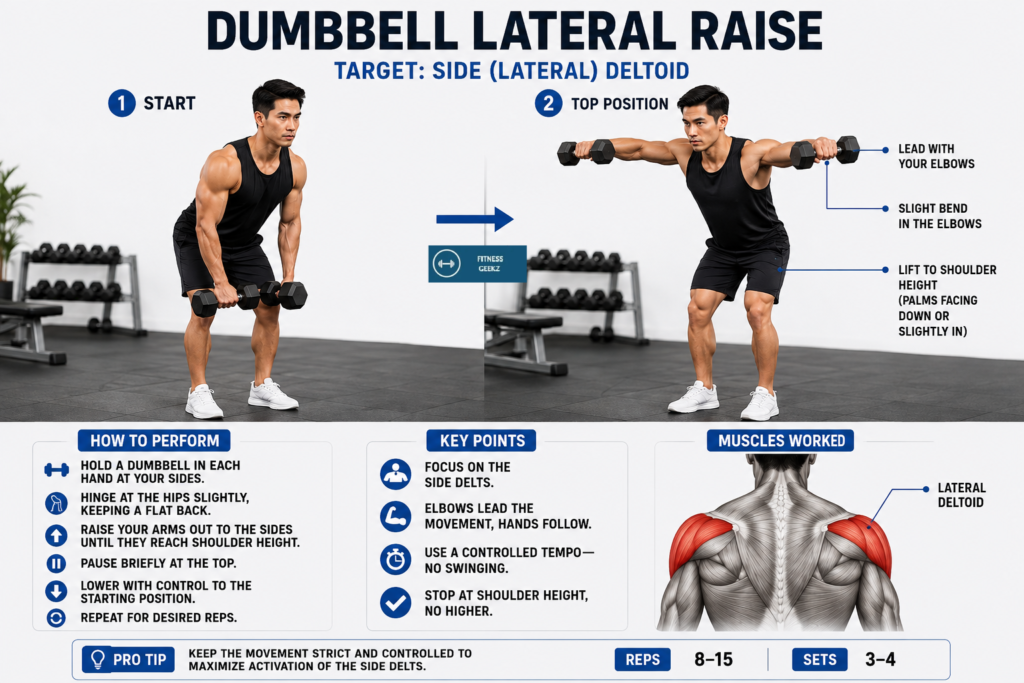
1. Dumbbell Lateral Raise. Lead with the elbows, not the hands. A slight forward lean keeps the tension on the side delt instead of letting the traps take over, and stopping at shoulder height protects the joint from unnecessary strain. Anyone building a home dumbbell routine around this movement can find more full-body dumbbell pairings in this guide to dumbbell exercises for muscle mass at home.
2. Cable Lateral Raise (Leaning Variation). Cables solve a problem dumbbells can’t: constant tension. Because the resistance stays steady through the entire range instead of dropping off at the top or bottom, the side delt works harder for longer. Leaning away from the machine adds a deeper stretch at the bottom of the rep, which many lifters find sparks noticeably more growth over time.
3. Chest-Supported Dumbbell Scapular Side Raise. This one gets skipped more often than it should. The movement follows the shoulder’s natural path rather than forcing a straight-arm swing, which makes it feel smoother and more comfortable on the joint than a standard lateral raise. For lifters who feel pinching or discomfort in the shoulder during regular raises, this variation delivers a strong side delt stimulus without the joint irritation.
Best Front Delt Isolation Exercises
Front raises are the go-to here, and a couple of variations make the movement even more shoulder-friendly.
1. Dumbbell Front Raise. Palms facing in, raise to shoulder height, then lower with control. No swinging, no momentum. The moment the reps start speeding up, the weight is too heavy.
2. Double-Grip Single Dumbbell Front Raise. Instead of holding a dumbbell in each hand, grip one dumbbell with both hands and raise it smoothly in front of the body until the arms reach shoulder height, then lower it back down under complete control. Because both shoulders move through the same path together, the lift feels more stable and comfortable for a lot of lifters, especially anyone dealing with a strength imbalance between sides.
3. Cable Front Raise. Same constant-tension benefit as the cable lateral raise. A rope attachment gives a neutral grip that’s easier on the wrists, while a straight bar keeps things simple and classic.
Best Rear Delt Isolation Exercises
The rear delt is the most commonly neglected of the three, which is exactly why it deserves the most deliberate attention.
1. Chest-Supported Dumbbell Rear Delt Flye. Lying face-down on an incline bench locks the torso in place, removing momentum and lower-back strain entirely. What’s left is pure rear delt tension, rep after rep.
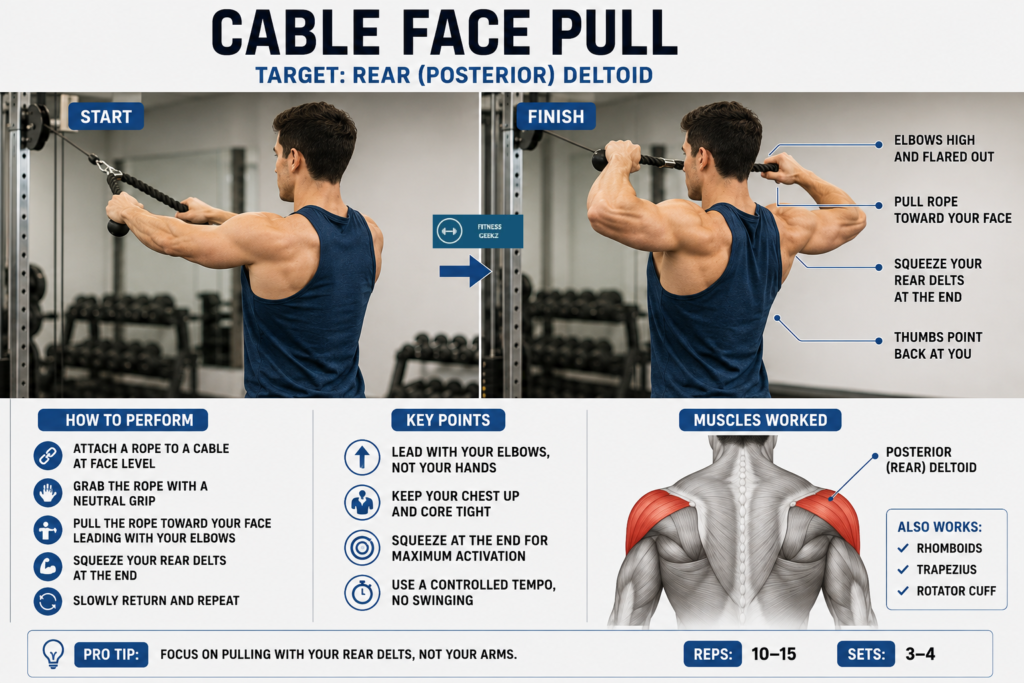
2. Cable Face Pull. Elbows high, thumbs pointing back, pulling the rope toward the face. Face pulls hit the rear delt, the rotator cuff, and posture-supporting muscles all at once, making this one of the more well-rounded moves in the entire shoulder arsenal. Because it leans on grip and cable control, lifters looking to round out their pulling strength might also want to check out this breakdown of building superhuman grip strength.
3. Reverse Pec Deck Flye. A machine-based option that locks the body in place and keeps resistance consistent throughout, making it a solid, beginner-friendly way to isolate the rear delt without worrying about form breakdown.
How to Program Shoulder Isolation Work Into a Routine
- Train each deltoid head twice per week, allowing at least 48 hours of recovery before targeting the same head again.
- Perform isolation exercises after compound lifts. Complete overhead presses and other compound movements first, then move on to lateral raises, front raises, or rear delt flyes when your shoulders are warm and your mind muscle connection is stronger.
- Aim for 10 to 15 reps per set. Use a slow, controlled tempo and prioritize proper form over lifting heavier weights.
- Progress by adding reps before increasing weight. Once you can perform the top end of your rep range with perfect technique, increase the load gradually. This approach reduces unnecessary stress on the shoulder joint while supporting consistent muscle growth.
- Protect your shoulder tendons. Avoid chasing heavy weights on isolation exercises. Healthy tendons are just as important as bigger shoulders for long term strength and injury prevention. Consider incorporating tendon strengthening exercises into your routine to support joint health.
Shoulder Isolation Exercises by Delt Head, Equipment, and Difficulty
| Exercise | Delt Head Targeted | Equipment | Difficulty | Joint Impact |
| Dumbbell Lateral Raise | Side | Dumbbells | Beginner | Moderate |
| Cable Lateral Raise | Side | Cable machine | Intermediate | Low |
| Chest Supported Scapular Side Raise | Side | Dumbbells, incline bench | Intermediate | Low |
| Dumbbell Front Raise | Front | Dumbbells | Beginner | Moderate |
| Double Grip Front Raise | Front | Single dumbbell | Beginner | Low |
| Cable Front Raise | Front | Cable machine | Intermediate | Low |
| Chest Supported Rear Delt Flye | Rear | Dumbbells, incline bench | Beginner | Low |
| Cable Face Pull | Rear | Cable machine, rope | Beginner | Low |
| Reverse Pec Deck Flye | Rear | Pec deck machine | Beginner | Low |
Common Mistakes That Limit Delt Isolation Results
The single biggest culprit is using too much weight. Heavier loads invite momentum, and momentum kills time under tension, which is the entire point of isolation work in the first place.
Beyond that, a few habits quietly stall progress:
- Skipping the side and rear delts in favor of front-dominant pressing work
- Letting the traps take over through shrugging or poor scapular control
- Training the same head too frequently without allowing proper recovery
Fixing these three habits alone tends to produce a noticeable difference within a few weeks.
The Bottom Line
Balanced delt development doesn’t come from more overhead pressing. It comes from training all three heads with deliberate, well-programmed isolation work. Pick one exercise per head, apply the 10 to 15 rep range, and stay consistent for six to eight weeks before judging results, shoulders respond well to patience and steady overload, not shortcuts.
Ready to build out a complete shoulder routine? Explore more training guides on Fitness Geekz for structured, science-backed programs that turn this exercise list into real, visible progress.
Frequently Asked Questions
The core three are lateral raises, front raises, and rear delt flyes, one dedicated movement for each deltoid head.
Twice per week per delt head, with at least 48 hours of recovery in between sessions targeting the same muscle.
After. Compound presses demand more energy and stability, while isolation work is more effective once the shoulder is warmed up and fatigue is lower.
No. Isolation work complements compound lifts rather than replacing them, since compound movements build the overall pressing strength that isolation alone can’t provide.
10 to 15 reps per set, with the focus on controlled tempo rather than heavy load.