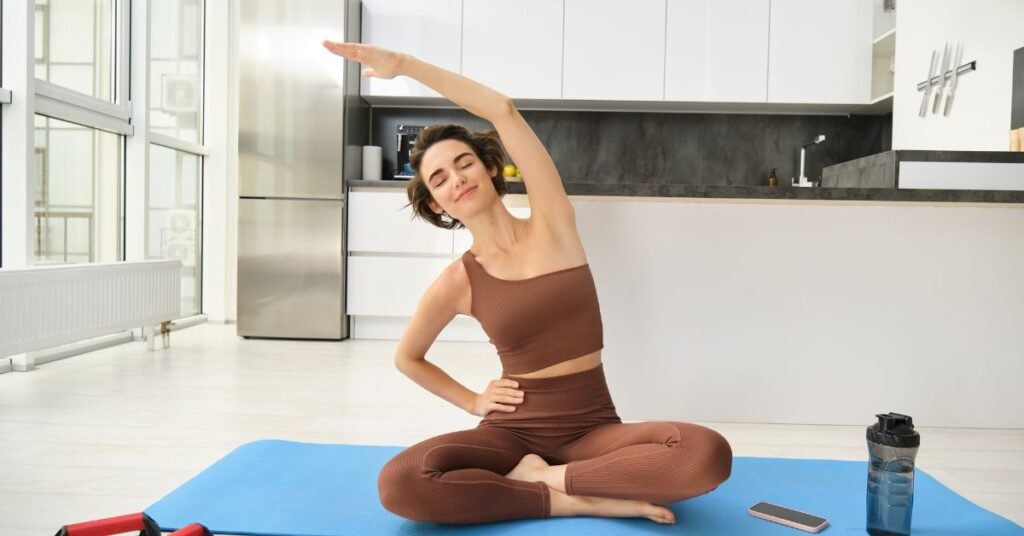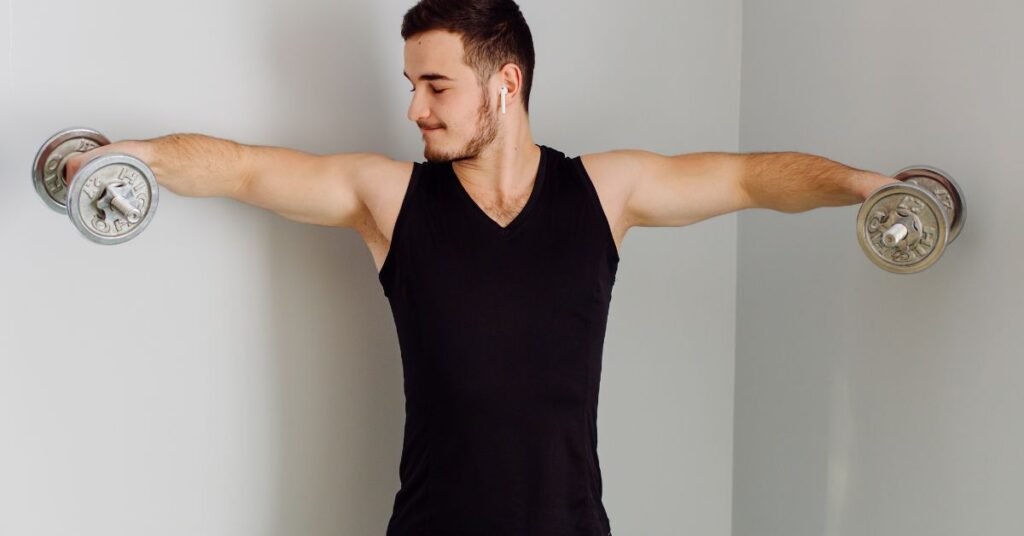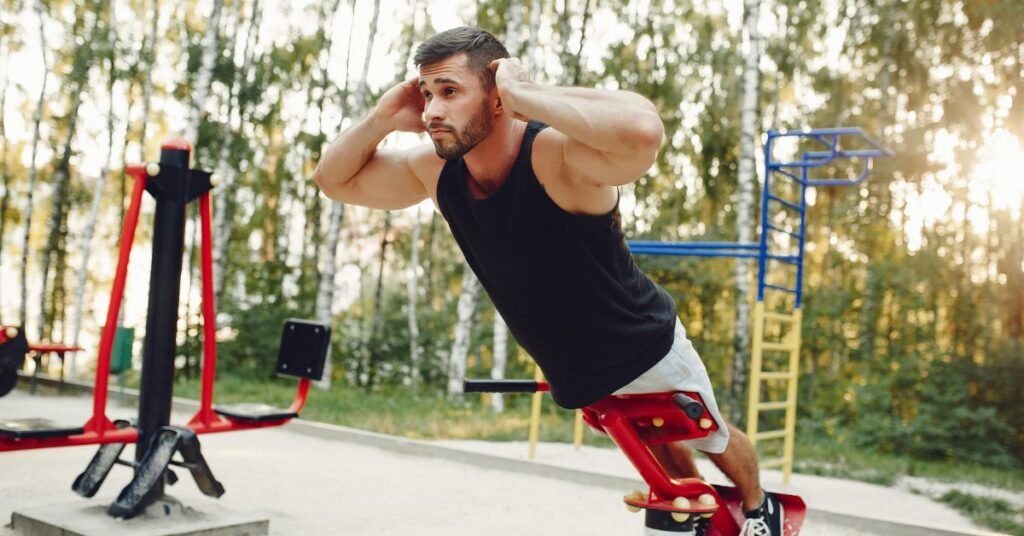
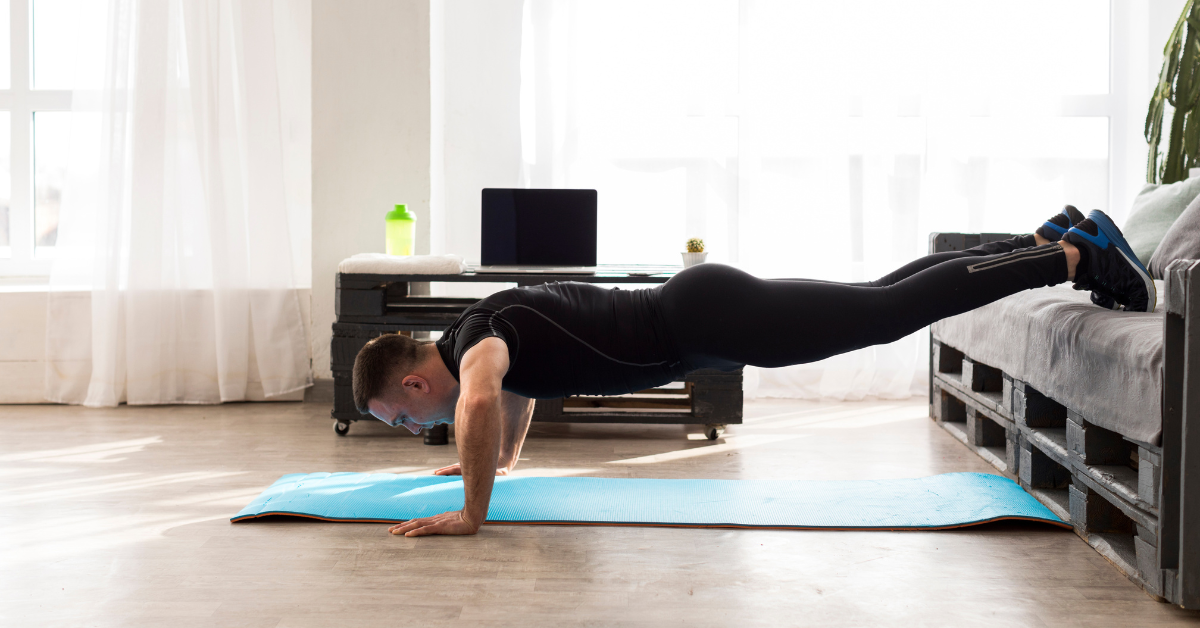

Quick Answer: You can build real muscle at home without weights using 8 bodyweight exercises, push-ups, squats, planks, mountain climbers, towel rows, burpees, lunges, and tricep dips, across a structured 90-day plan. Training progresses from 3 days/week (foundation) to 5 days/week (max intensity), using progressive overload through added reps, harder variations, and shorter rest. Research confirms bodyweight training builds muscle comparably to weighted training when overload and recovery are managed properly. Most people notice strength gains in 4–6 weeks, with visible muscle definition appearing between 8–12 weeks.
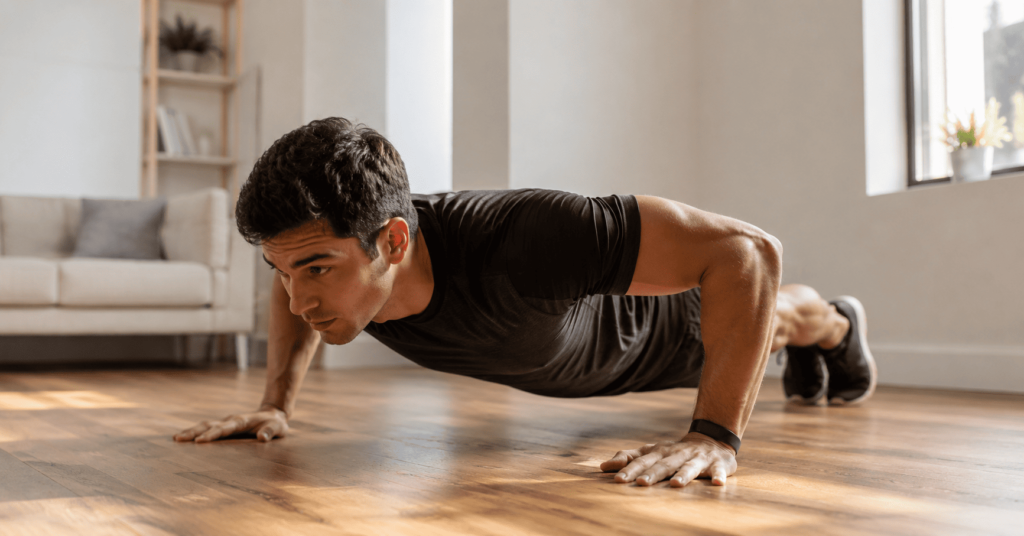
Here is a belief worth challenging. That building a strong, muscular body requires a gym membership, heavy iron, and machines with cables running in every direction. Millions of people have accepted this as fact and either overpay for equipment they rarely use or skip training altogether because the gym feels inaccessible, inconvenient, or simply not for them.
The reality is different. Transforming your body does not require a gym membership. With just your bodyweight, consistent effort, and a structured progressive plan, remarkable physical change is achievable in as little as 90 days. Research confirms that bodyweight training produces comparable muscle growth to weighted resistance training when progressive overload is applied and recovery is managed properly. The limiting factor has never been the equipment. It has always been the plan and the commitment to follow it.
This 90-day home workout for muscle gain is built around 8 foundational bodyweight exercises that cover every major muscle group, progress systematically across three phases, and fit into any space with zero equipment beyond what is already in the home. Whether starting from scratch or returning to training after a break, this is where real, lasting strength begins. For those who want a shorter starting point before committing to the full 90 days, the three-week home workout plan to build muscle without equipment offers a more condensed introduction to the same training principles.
Want to see the full routine in action? Watch here:
Can Bodyweight Training Actually Build Muscle?
The short answer is yes, and the mechanism behind it matters. Muscles grow when they face greater demand than they are accustomed to, then receive adequate recovery and nutrition to rebuild stronger. Weights are one way to create that demand. They are not the only way.
By increasing repetitions, reducing rest periods between sets, progressing to harder exercise variations, or combining movements in circuits that sustain metabolic stress, bodyweight strength training delivers the same fundamental growth stimulus as gym-based training. Many people have completely transformed their physiques through structured no-gym workout plans that rely entirely on what the body can do against gravity.
What matters most is progressive overload applied consistently over time, not the equipment used to create it. That said, for anyone who eventually wants to add external resistance to keep progressing beyond what bodyweight alone can provide, the best dumbbell exercises for muscle mass and a full body workout at home can serve as a natural extension once the bodyweight foundation is established.
The Practical Advantages of Training at Home
- No commute required. Training can begin immediately without spending time traveling to and from a gym.
- No waiting for equipment. Your workout is not dependent on machine availability or crowded gym hours.
- No membership fees. Bodyweight training eliminates the ongoing cost of gym memberships and equipment purchases.
- No operating hour restrictions. You can train whenever it fits your schedule, whether early in the morning, during lunch, or late at night.
- Fits into almost any environment. Most bodyweight workouts require only a small amount of space and can be performed at home, in a hotel room, or outdoors.
- Reduces barriers to consistency. Fewer obstacles between deciding to exercise and actually exercising make it easier to stay committed.
- Works well for busy lifestyles. People with demanding jobs, family responsibilities, or unpredictable schedules can train without major time commitments.
- Encourages long-term adherence. Convenience often plays a bigger role in consistency than workout complexity or equipment availability.
- Eliminates gym-related intimidation. Training at home can feel more comfortable for beginners who may be hesitant about starting in a gym environment.
- Provides an accessible entry point into strength training. Bodyweight exercise allows anyone to begin building strength, fitness, and movement skills without specialized equipment or experience. That accessibility extends across age groups too, including older adults, for whom simple exercises to build strength after 60 follow the same low-barrier, bodyweight-first approach.
- Makes fitness easier to maintain year-round. When training can happen anytime and anywhere, staying active becomes far more sustainable over the long term.
The 8 Muscle Building Exercises
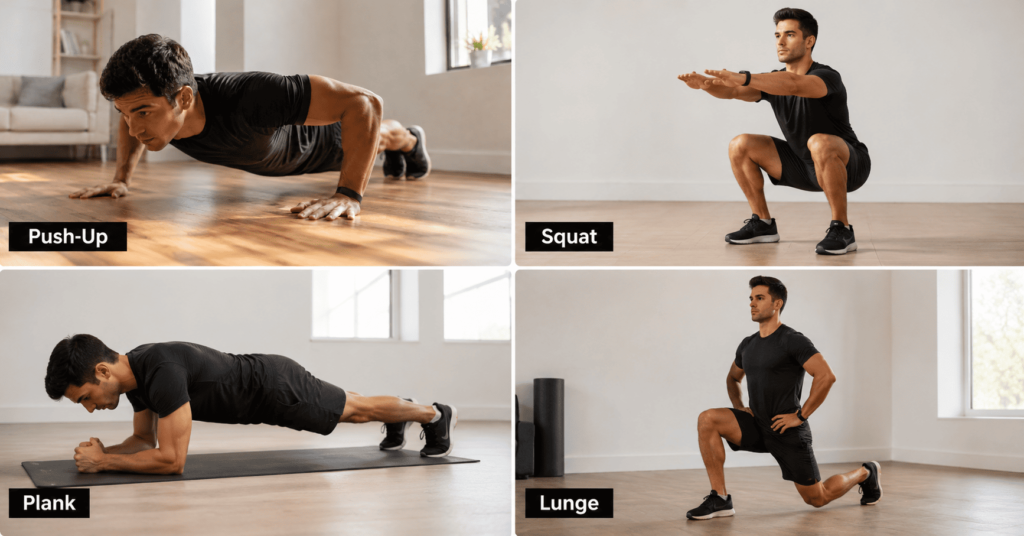
These eight movements form the foundation of the 90-day plan. Each targets specific muscle groups, delivers measurable strength and conditioning benefits, and can be progressively scaled without any additional equipment.
Exercise 1: Push-Ups: For Complete Upper Body Strength
Push-ups are the cornerstone of any serious bodyweight strength training programme. They target the chest, shoulders, triceps, and core simultaneously, building functional pressing strength that transfers directly into daily physical tasks.
The benefits extend beyond raw strength. Push-ups enhance muscular endurance, improve posture by strengthening the anterior chain, alleviate back pain over time by building the supporting musculature around the spine, and contribute to bone health through the compressive loading the movement places on the upper body skeleton.
Get into a high plank position with hands slightly wider than shoulder width. Lower the chest toward the floor with elbows at a 45-degree angle relative to the torso. Pause briefly at the bottom then press back up to full extension.
To prevent plateaus and continue progressing, rotate through variations across the 90 days. Close-grip push-ups shift emphasis to the triceps and inner chest. Feet-elevated push-ups increase load and shift emphasis to the upper chest and anterior deltoids. Hand-elevated push-ups on a bench or step reduce load for beginners who need to build baseline pressing strength before performing full floor push-ups.
Exercise 2: Bodyweight Squats: For Lower Body Power
Squats are non-negotiable for building lower body muscle mass. They target the quadriceps, glutes, and hamstrings through the most fundamental human movement pattern available, the same mechanics the body uses to sit, stand, climb stairs, and generate power for virtually every physical activity.
The benefits of consistent squat training go well beyond aesthetics. Squats burn significant calories during and after each session, develop measurable lower body muscle, improve flexibility and mobility across the hip and knee joints, increase bone density through compressive loading, and correct postural imbalances that develop from prolonged sitting.
Stand with feet shoulder-width apart and toes turned slightly outward. Push the hips back and lower down until the thighs are parallel to the floor, keeping the chest up and the back straight throughout. Drive through the heels to return to the starting position. Knees must track in line with the toes on every single rep.
Exercise 3: Plank: For Deep Core Stability
The plank looks simple. Anyone who has held one for 60 seconds or longer knows it is anything but. This isometric hold develops the deep stabilising muscles of the core including the abdomen, pelvis, lower back, and hips in a way that dynamic crunches and sit-ups cannot match.
The full benefit profile of consistent plank training is broader than most people realise. Planks improve core definition and visible muscle tone, boost resting metabolic rate through increased muscle mass, enhance postural alignment by strengthening the muscles that hold the spine upright, reinforce lower back health, elevate mood through the endorphin response to sustained physical effort, and increase overall flexibility through the full-body tension the position demands.
Place the elbows on the floor directly under the shoulders and prop the body up on the forearms and toes. Keep a perfectly straight line from head to heels with the core braced and the glutes actively squeezed. Do not let the hips sag toward the floor or rise toward the ceiling. Hold the position with complete intentional tension throughout.
Exercise 4: Mountain Climbers: For Cardio and Core Combined
Mountain climbers are one of the most efficient exercises in this plan because they deliver cardio conditioning and core strength simultaneously in a single movement. They work the core, legs, and upper body together while elevating the heart rate into a fat-burning zone that pure strength exercises alone cannot reach.
The benefits are specifically valuable for functional fitness. Mountain climbers enhance hip mobility and dynamic flexibility, improve cardiovascular health through sustained elevated heart rate, boost the functional fitness that makes daily physical tasks easier, and develop defined core musculature through the repeated knee-drive pattern.
Start in a high plank position with arms straight and core braced. Drive one knee toward the chest, then quickly switch legs in a running motion while keeping the hips level and the back flat throughout. Maintain a controlled pace that allows full form rather than rushing through sloppy reps that sacrifice the core engagement this exercise is designed to develop.
Exercise 5: Towel Rows: For Back Strength and Postural Balance
Most home workout plans focus heavily on pushing exercises and neglect pulling movements entirely. That imbalance creates rounded shoulders, poor posture, and the chronic upper back tension that affects almost everyone who spends significant time at a desk. Towel rows directly address this gap using nothing but a towel and a door or anchor point.
Towel rows are highly accessible, engage multiple upper body muscles including the upper back, biceps, and rear shoulders simultaneously, and activate the core to maintain body position during the pulling motion. They build the pulling strength that creates genuinely balanced upper body development and the postural resilience that protects the shoulder joints long term.
Stand facing the anchor point and hold both ends of a towel with straight arms. Lean back until the body forms a diagonal line, then pull the chest toward the anchor point by driving the elbows back and squeezing the shoulder blades together firmly at the top. Return to the starting position with control. The more horizontal the body position, the harder the exercise becomes.
Exercise 6: Burpees: For Full Body Conditioning
Burpees are the most demanding exercise in this plan and among the most rewarding. They combine a squat, a plank, a push-up, and a jump into a single continuous movement that challenges every muscle group and the cardiovascular system simultaneously. Nothing else in a no-equipment workout delivers the same combination of strength, power, and calorie burn in the same timeframe.
The specific benefits of burpees are genuinely impressive. They torch calories at a rate that few bodyweight movements can match, deliver a complete full-body workout in every rep, strengthen the core through the plank and push-up components, boost agility and coordination through the explosive jump, and increase bone density through the impact loading of the jump landing.
From standing, drop into a squat and place both hands on the floor. Kick both feet back into a plank position. Perform one full push-up. Jump the feet back toward the hands. Drive upward into an explosive jump with arms overhead. Land softly with bent knees and move directly into the next rep. For beginners, stepping back instead of jumping reduces the impact while maintaining the fundamental training stimulus.
Exercise 7: Lunges: For Single Leg Strength and Balance
Lunges develop lower body strength through a unilateral movement pattern that bilateral squats cannot fully replicate. By training each leg independently, lunges identify and correct the strength imbalances between sides that accumulate over years of bilateral-dominant movement and contribute to joint pain and injury risk.
The benefits of consistent lunge training include strengthened lower body musculature across the quads, glutes, and hamstrings, increased hip and knee flexibility through the deep single-leg range of motion, correction of left-to-right muscle imbalances, enhanced functional fitness through the single-leg stability demand, and improved balance and coordination across all daily movement patterns.
Step forward with one leg and lower the hips until both knees form 90-degree angles, with the front knee tracking directly above the ankle and the back knee hovering just above the floor. Push through the front heel to return to the starting position and alternate legs. Keep the torso upright and the core engaged throughout every rep.
Exercise 8: Tricep Dips: For Upper Body Definition
Tricep dips complete the upper body programme by targeting the often undertrained muscles on the back of the arms. Using a sturdy chair or bench, this movement builds significant tricep strength and pressing power through a vertical pressing pattern that complements the horizontal push-up work performed earlier in each session.
The benefits are specific and significant. Tricep dips build visible tricep mass and definition, tone the entire upper arm, strengthen the chest and anterior deltoids as supporting muscles, and enhance core stability through the body suspension demand of the exercise.
Sit on the edge of a sturdy chair with hands placed shoulder-width apart on either side of the hips. Slide the hips forward off the chair and lower the body by bending the elbows to a 90-degree angle. Press back up to the starting position. Never lower past the point where the shoulders drop below the elbows, as this creates anterior shoulder joint stress that accumulates into injury over repeated sessions.
The 90-Day Progressive Plan
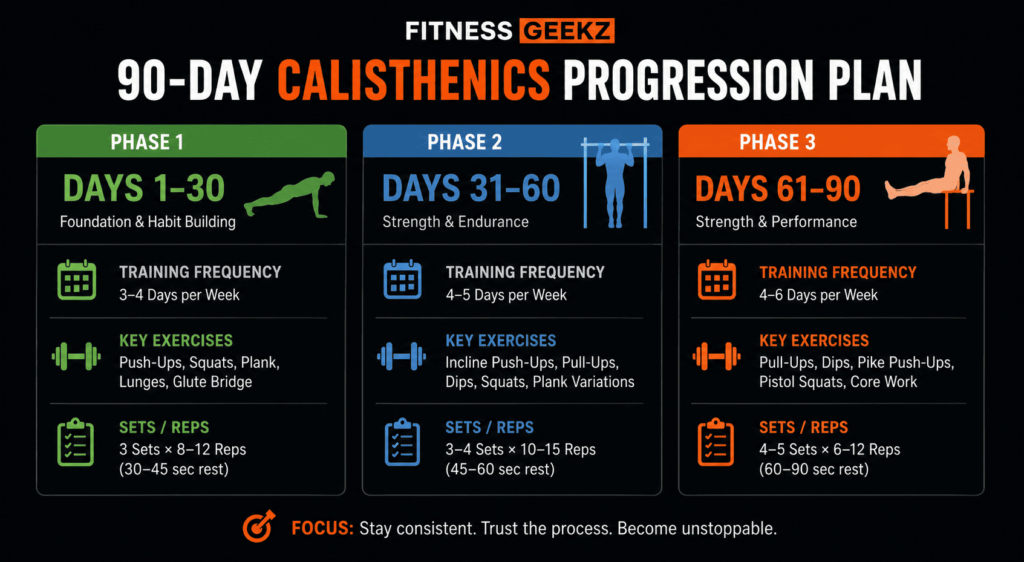
Days 1 to 30: Build the Foundation
Train 3 days per week. Focus entirely on mastering correct form before increasing volume. Consistency at this stage matters more than intensity.
- Push-Ups: 3 sets of 8 to 12 reps
- Bodyweight Squats: 3 sets of 15 to 20 reps
- Lunges: 3 sets of 10 reps per leg
- Plank: 3 sets of 30 seconds
- Mountain Climbers: 3 sets of 20 reps
Days 31 to 60: Build Strength
Train 4 days per week. Introduce harder push-up variations, increase squat volume, and add pulling and burpee work. Strength and endurance improvements become noticeable during this phase.
- Close-Grip Push-Ups: 4 sets of 10 to 15 reps
- Squats: 4 sets of 20 to 25 reps
- Towel Rows: 4 sets of 10 to 15 reps
- Lunges: 4 sets of 12 reps per leg
- Burpees: 3 sets of 10 reps
- Plank: 4 sets of 45 seconds
Days 61 to 90: Build More Muscle
Train 5 days per week. Maximum intensity phase. Visible muscle definition and significant strength gains develop consistently throughout this final period.
- Decline Push-Ups: 4 sets of 12 to 15 reps
- Jump Squats: 4 sets of 15 reps
- Walking Lunges: 4 sets of 15 reps per leg
- Towel Rows: 4 sets of 15 reps
- Tricep Dips: 4 sets of 15 reps
- Burpees: 4 sets of 12 reps
- Plank: 4 sets of 60 seconds
Nutrition, Recovery, and Making the 90 Days Actually Deliver
The best exercise plan in the world falls short without the nutritional foundation to support it. Protein is the most critical variable. Aim for 1.6 to 2.2 grams of protein per kilogram of bodyweight daily from whole food sources including eggs, chicken, fish, Greek yogurt, lentils, and beans. Protein supplements are convenient but completely unnecessary when whole food intake is adequate.
Hydration supports recovery, joint health, and physical performance throughout every session. Dehydration of even 2 percent of body weight measurably reduces exercise output and slows the recovery process.
Sleep is where the muscle actually grows. Seven to nine hours of quality sleep per night supports the hormonal environment needed for muscle protein synthesis and physical adaptation. No training plan compensates for consistently poor sleep, regardless of how well the exercise and nutrition components are managed.
Conclusion
Building muscle at home without weights is not a compromise. It is a legitimate, science-supported approach to physical transformation that removes every barrier between intention and action. No commute. No membership. No machine. Just eight exercises, a structured 90-day plan, adequate protein, and the consistency to show up day after day.
Most people notice measurable strength improvements within 4 to 6 weeks. Visible muscle definition and body composition changes typically become clear between 8 and 12 weeks for anyone training consistently and eating to support recovery.
Start where you are. Progress systematically. Trust the process. Ninety days from now, the body will reflect exactly how consistently the plan was followed.
For more practical, science-informed training guides built around real results in the real world, explore the full resource library at Fitness Geekz.
Frequently Asked Questions
Yes. Bodyweight exercises such as push-ups, squats, and lunges can build muscle by creating the mechanical tension and metabolic stress required for growth. Consistency, progressive overload, adequate protein intake, and proper recovery matter far more than the equipment used.
This plan gradually increases training frequency over 90 days. Beginners start with 3 days per week, progress to 4 days during the strength phase, and finish with 5 days per week in the final phase. This approach allows strength, work capacity, and recovery ability to develop progressively.
A combination of push-ups, squats, lunges, planks, towel rows, burpees, mountain climbers, and tricep dips provides full-body training without equipment. When organized into a progressive plan with increasing volume and difficulty, it becomes an effective muscle-building program for home training.
Most people notice improvements in strength and endurance within 4 to 6 weeks of consistent training. Visible changes in muscle definition and body composition typically become more noticeable between 8 and 12 weeks when training and nutrition are aligned.
No. Whole-food protein sources such as eggs, chicken, fish, Greek yogurt, lentils, and beans can provide everything needed for muscle recovery and growth. Aim for approximately 1.6 to 2.2 grams of protein per kilogram of bodyweight daily. Supplements are optional and mainly offer convenience.