
The Asian squat is a deep, natural posture that offers multiple health benefits beyond simple flexibility. It improves joint mobility in the hips, knees, and ankles while strengthening the legs and core. This position can also relieve lower back tension, enhance balance, and boost circulation. Additionally, it supports better digestion by naturally aligning the body. Modern sitting habits often reduce the ability to perform this squat, leading to stiffness and weak muscles. With consistent practice, most people can regain this movement. Incorporating the Asian squat into daily routines helps restore natural mobility, improve posture, and build functional strength for everyday activities and long-term fitness.
Imagine if there was a single movement that could help fix many common physical problems modern people face: tight hips, stiff ankles, weak legs, poor posture, and even digestive issues. Surprisingly, that movement already exists. It is called the Asian squat.
Across many parts of Asia, the natural squat posture is not considered a workout or exercise. It is simply a comfortable resting position used during daily activities like waiting, eating, or socializing. However, in many Western countries, people struggle to hold this position for even a few seconds.
Modern lifestyles explain much of this difference. Research on mobility and sedentary behavior shows that prolonged chair sitting reduces ankle mobility, tightens hip muscles, and weakens stabilizing muscles. Over time, this loss of natural movement patterns affects strength, flexibility, posture, and overall joint health.
Here’s a quick video showing the correct way to perform this exercise:
The benefits of the Asian squat position extend far beyond flexibility. From strengthening the lower body to improving digestion and reducing back tension, this deep squat posture can restore a natural movement pattern the human body was designed to perform.
What Is the Asian Squat?
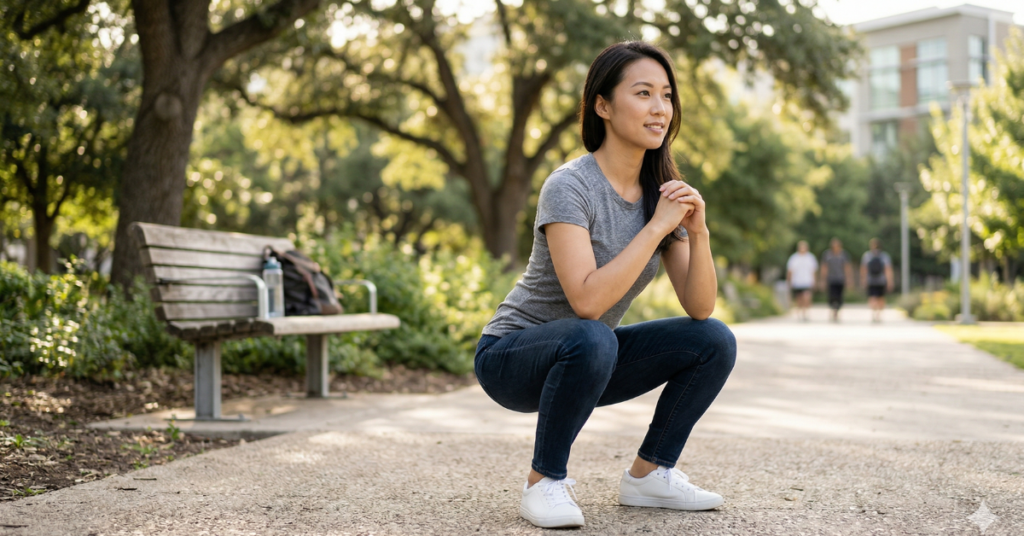
The Asian squat is a deep squat where the hips drop below knee level while the heels remain flat on the ground. The chest stays upright and the position is typically held as a resting posture rather than performed repeatedly like a traditional gym squat.
Key characteristics of this squat sitting position include:
- Heels fully on the floor
- Knees bending deeply forward
- Hips positioned below knee level
- Spine upright and balanced
Unlike standard exercise squats that focus on strength and repetition, the Asian squat is usually held for several seconds or minutes. In cultures where this posture is common, people naturally spend significant portions of their day in this position.
This makes the Asian squat one of the most functional human movement patterns.
Why Many People Struggle With the Natural Squat Posture
The ability to hold a deep squat comfortably depends on mobility, balance, and joint flexibility. Unfortunately, modern lifestyles reduce these abilities.
The most common limiting factors include:
- Limited ankle mobility: Tight calves and restricted ankle movement make it difficult to keep the heels on the ground.
- Hip stiffness: Long hours of sitting shorten hip flexors and reduce flexibility in the hips.
- Weak stabilizing muscles: Core and glute muscles help maintain balance in a deep squat.
- Reduced movement practice: Without regular squatting, the body gradually loses the neuromuscular coordination required for the posture.
The good news is that mobility and strength can improve with consistent practice. Most people can regain the ability to perform a comfortable squat sitting position with time.
Benefits of the Asian Squat Position
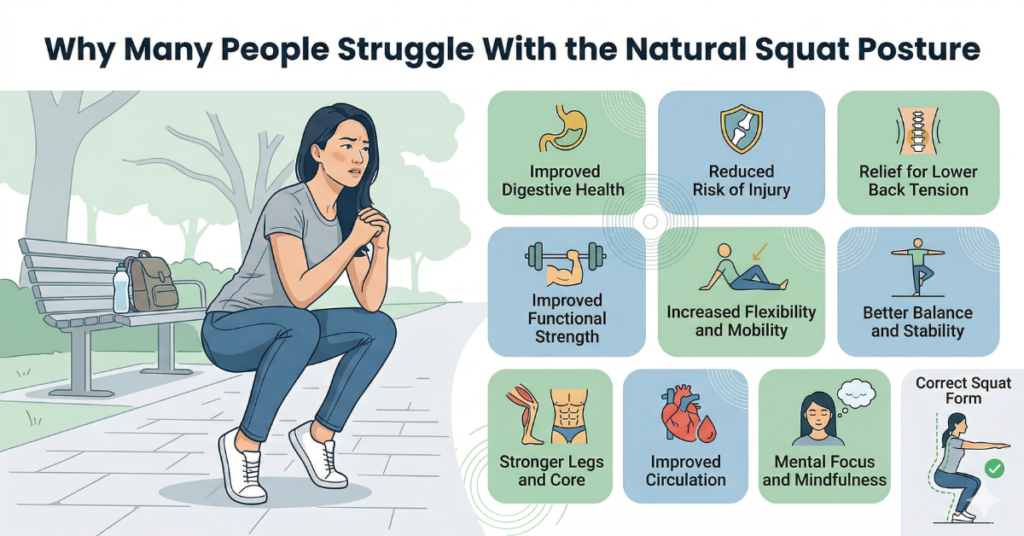
The benefits of the Asian squat position affect multiple areas of physical health, making it one of the most valuable mobility exercises available.
1. Improved Digestive Health
One of the surprising resting squat benefits is improved digestion. Sitting in a deep squat gently compresses the abdominal region, creating a natural massage effect for the intestines.
This compression helps stimulate intestinal movement, which may support smoother digestion and reduce constipation. In many cultures, squatting is commonly used during bathroom routines because it aligns the digestive tract more naturally.
2. Reduced Risk of Injury
The Asian squat moves the ankles, knees, and hips through their full range of motion. This strengthens connective tissues and improves joint alignment.
Better mobility and stability reduce the risk of injuries during both workouts and everyday activities. When joints move properly, the body distributes forces more efficiently, lowering the chance of strains or imbalances.
3. Relief for Lower Back Tension
Modern sitting habits place constant pressure on the lower spine. The Asian squat can act as a natural reset for the back.
By lowering the hips and keeping the spine upright, the posture stretches the lower back muscles while gently decompressing the spine. Many people feel immediate relief from stiffness after holding the squat for a few minutes.
5. Improved Functional Strength
One of the most important daily deep squat posture benefits is the improvement in functional strength.
Everyday activities often involve similar movements, such as:
- Picking objects off the floor
- Lifting boxes
- Gardening
- Climbing stairs
The Asian squat trains the body to support these movements safely by strengthening the muscles that control them.
6. Increased Flexibility and Mobility
The deep squat simultaneously stretches and activates several major muscle groups, including the hips, hamstrings, calves, and ankles.
This makes the posture a highly efficient way to improve mobility. Just a few minutes per day can gradually increase joint flexibility without lengthy stretching routines.
7. Better Balance and Stability
Maintaining a balanced squat requires coordination between multiple muscle groups and stabilizing systems.
The posture activates the core and lower body stabilizers, helping improve balance and body awareness. This becomes especially important as people age, when reduced balance increases fall risk.
8. Stronger Legs and Core
Although it may feel like a resting posture, the Asian squat still activates key muscle groups.
Holding the position engages the:
- Quadriceps
- Hamstrings
- Glutes
- Calves
- Core muscles
Over time, this builds stronger legs and a more stable midsection, improving posture and movement control.
9. Improved Circulation
Deep squatting promotes blood flow through the lower body. Improved circulation helps deliver oxygen and nutrients to muscles and joints, which may reduce stiffness and fatigue.
Many people report feeling energized after holding the posture for a short period.
10. Mental Focus and Mindfulness
The Asian squat requires concentration and body awareness to maintain balance. This creates a moment of mental focus similar to mindfulness practices.
Many people find that holding the posture helps them slow down, breathe deeply, and reconnect with their body.
Key Benefits of the Asian Squat
| Benefit | How It Helps the Body | Long-Term Impact |
| Joint Mobility | Improves hip, knee, and ankle range of motion | Better movement quality |
| Lower Body Strength | Activates legs and core muscles | Improved posture and stability |
| Digestive Support | Natural abdominal compression | Better bowel function |
| Spinal Relief | Reduces pressure on the lower back | Less stiffness from sitting |
| Balance and Coordination | Strengthens stabilizing muscles | Lower fall risk with age |
| Circulation Boost | Improves blood flow to muscles and joints | Reduced fatigue |
How to Practice the Squat Sitting Position
Learning the Asian squat is simple, but it may take gradual practice for many people.
Step by step approach
- Stand with your feet about shoulder width apart.
- Slowly lower your hips toward the ground.
- Keep your heels flat on the floor.
- Maintain an upright chest and relaxed posture.
- Hold the position for 20 to 60 seconds.
If balance feels difficult, hold onto a wall or stable object for support during the early stages.
Consistency matters more than holding the position for a long time. Regular practice will gradually improve mobility and comfort in the squat sitting position.
Adding the Asian Squat to Your Daily Routine
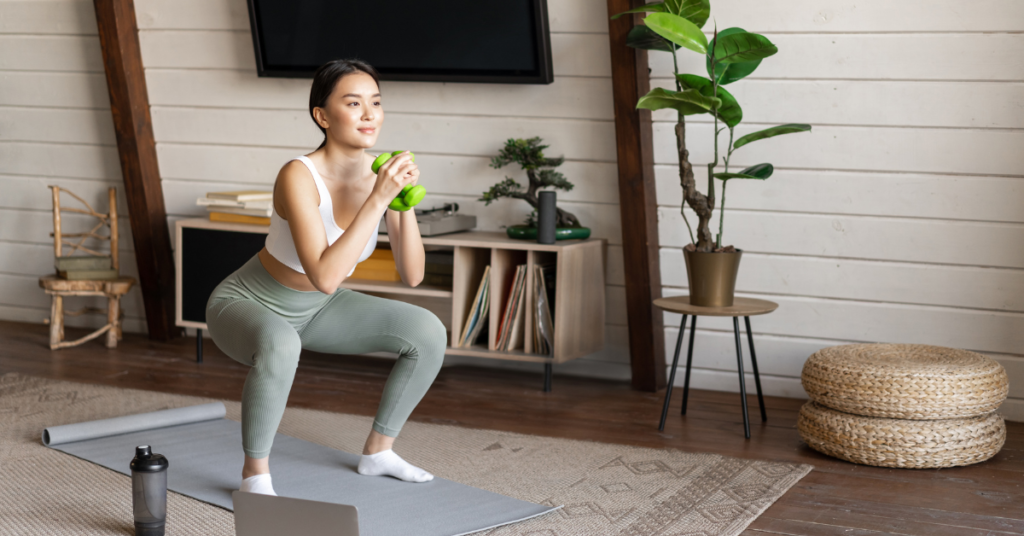
The easiest way to experience the daily deep squat posture benefits is to treat the squat as a natural resting position rather than a formal exercise.
Simple ways to practice include:
- Holding the squat while watching television
- Using it as a mobility warm-up before workouts
- Squatting during short breaks from sitting
- Practicing five to ten minutes daily
Over time, the body becomes more comfortable and balanced in the posture.
Conclusion
The Asian squat is more than a cultural habit or a viral fitness trend. It represents one of the most natural human movement patterns.
Modern chair based lifestyles have reduced the ability to perform this posture, often leading to stiffness, reduced mobility, and weaker joints. Reintroducing the squat sitting position into daily routines can help restore these lost capabilities.
The benefits of the Asian squat include improved mobility, stronger legs, better balance, and reduced lower back tension. Practicing it regularly can gradually rebuild flexibility and strength throughout the lower body.
For long term health and functional fitness, this simple posture remains one of the most effective movements the human body can perform. For more practical mobility and strength guides, explore expert fitness insights at Fitness Geekz.
Start reclaiming your natural mobility today. Practice the squat, move better, and explore more simple fitness tips at Fitness Geekz. 💪
FAQs
1. Why is the Asian squat difficult for many people?
Limited ankle mobility, tight hips, and weak stabilizing muscles caused by prolonged sitting often make the posture difficult for beginners.
2. How long should the Asian squat be held?
Beginners can start with 20–30 seconds and gradually increase the duration as mobility improves.
3. Is the squat sitting position safe for everyone?
Most healthy individuals can practice it safely. However, people with knee injuries or joint conditions should progress slowly or consult a professional.
4. Can the Asian squat replace stretching?
It improves flexibility and mobility but works best when combined with other mobility exercises.
5. How often should the Asian squat be practiced?
Practicing the posture for five to ten minutes per day is enough to improve mobility and balance over time.