


This abs workout routine focuses on three highly effective exercises that activate the core far more than traditional crunches: ab wheel rollouts, hanging leg raises, and Swiss ball pikes. These movements train the entire core by emphasizing stability, control, and resistance rather than high repetitions. Performed three times a week, they build strength, improve posture, and enhance overall stability. Progressive overload, proper form, and controlled movements are key to results. However, visible abs also depend on nutrition, including adequate protein and reduced processed foods. Combined with consistent training and recovery, this simple routine helps develop a stronger, more defined core efficiently.
Walk into almost any gym and you will see the same scene. Someone doing endless crunches, hoping to carve a six pack. Yet over time, one thing has become clear. Most traditional ab routines waste time and deliver minimal results.
The problem is simple. Many people train their abs differently from other muscles. Instead of focusing on tension, control, and progressive overload, they chase hundreds of fast repetitions.
Exercise science tells a different story. EMG studies show that certain movements can activate the abdominal muscles two to three times more effectively than basic crunches by challenging the core through stability, resistance, and anti extension.
An effective abs workout routine should train the entire core. That includes the rectus abdominis, the deep transverse abdominis that stabilizes the spine, and the obliques that control rotation and balance.
The good news is that you do not need dozens of exercises or long workouts. Some of the best exercises for abs can be completed in just a few minutes when performed correctly.
If you’d like to see the movement step-by-step, watch the video below:
The three exercises below form a powerful quick abs workout routine that targets every major core muscle while building real strength.
The 3 Best Exercises for Core Strength
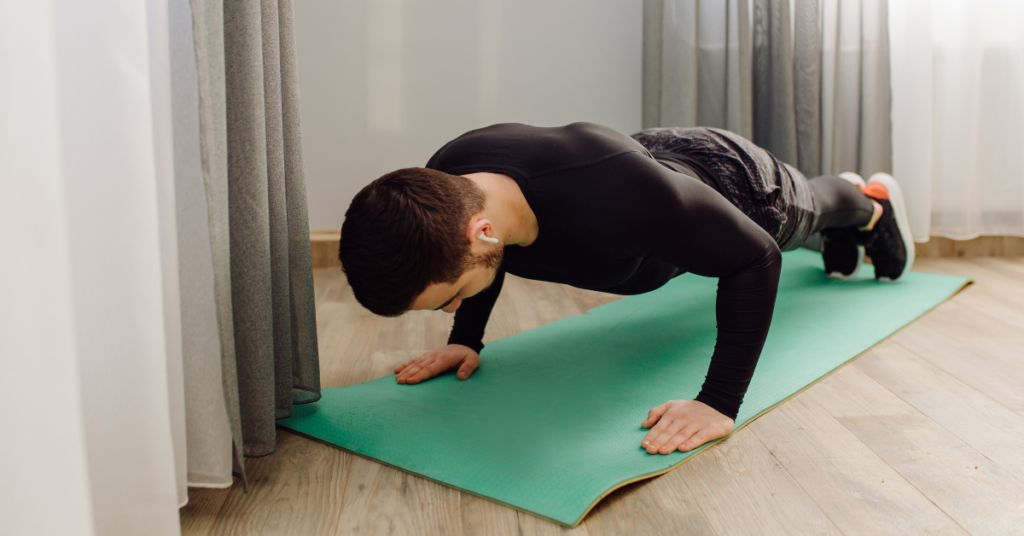
These three movements consistently produce strong results because they challenge stability, resist gravity, and force the core to generate continuous tension.
When performed with proper control and form, they create one of the most effective abs training routines you can include in your workouts.
Exercise 1: Ab Wheel Rollout
If there is one movement that instantly exposes weak core strength, it is the ab wheel rollout.
Most people assume crunches are the fastest way to build abs, but the rollout activates the entire anterior core chain far more effectively.
Think of your core like a seat belt. Its job is to lock your torso in place and prevent your spine from collapsing under load. The rollout trains exactly that function.
How to Perform the Ab Wheel Rollout
- Kneel on the floor with an ab wheel or towel.
- Brace your core tightly, as if preparing to absorb a punch.
- Slowly roll forward while keeping your hips aligned with your shoulders.
- Do not allow your lower back to sag.
- Pull yourself back using your abs, not your arms.
Recommended Training Volume
- 3 sets
- 5–10 controlled reps
Even rolling forward a few inches creates enormous tension on the core. One properly executed rollout can stimulate the abs more effectively than dozens of traditional crunches.
For beginners, a shorter range of motion is perfectly acceptable. Over time, gradually extend the rollout distance as strength improves.
Exercise 2: Hanging Leg Raises
The lower abs are often the most stubborn part of the midsection. Hanging leg raises solve this problem by forcing the core to work against gravity.
When performed correctly, they become one of the best exercises for core strength and abdominal control.
Why This Exercise Works
Your legs represent roughly 30 to 40 percent of total body weight. Lifting them while maintaining stability creates a significant load for the abdominal muscles.
Proper Form for Hanging Leg Raises
- Hang from a pull-up bar with arms straight.
- Keep your body still with no swinging.
- Raise your knees toward your chest.
- At the top, curl your hips upward slightly to engage the lower abs.
- Lower slowly and repeat.
Recommended Training Volume
- 3 sets
- 8–12 reps
The key detail most people miss is the pelvic tilt at the top. Simply lifting the legs works the hip flexors. Curling the pelvis activates the lower abdominal muscles.
Beginners can start with bent-knee raises before progressing to straight-leg versions.
Exercise 3: Swiss Ball Pike
The final movement in this routine might be the most challenging. The Swiss ball pike combines balance, stability, and core strength in one demanding exercise.
Many athletes describe the first few repetitions as an instant wake-up call for the entire midsection.
Why the Swiss Ball Pike Is So Effective

The instability of the ball forces your core to stabilize constantly. Every small movement requires the abs, obliques, and deep core muscles to fire simultaneously.
How to Perform the Swiss Ball Pike
- Begin in a plank position with your shins resting on a Swiss ball.
- Keep your arms straight and shoulders stable.
- Pull your hips upward into a sharp V shape.
- Pause briefly at the top.
- Slowly lower back into the plank position.
Recommended Training Volume
- 3 sets
- 8–12 reps
If your abs are not burning during this movement, your core likely is not engaged correctly. Focus on slow, controlled movement rather than speed.
Quick Abs Workout Routine
These three exercises form a powerful quick abs workout routine that can be completed in less than 15 minutes.
| Exercise | Sets | Reps | Main Benefit |
| Ab Wheel Rollout | 3 | 5–10 | Maximum anti-extension core strength |
| Hanging Leg Raises | 3 | 8–12 | Lower ab activation |
| Swiss Ball Pike | 3 | 8–12 | Full core stability |
Weekly Training Plan
Perform this abs training routine three times per week with at least one rest day between sessions.
Progression Tips
- Add one rep each week
- Slow the tempo of each repetition
- Increase the range of motion gradually
Progressive overload is essential for abdominal development, just like with any other muscle group.
Nutrition Habits That Reveal Your Abs

Even the best exercises for abs cannot overcome poor nutrition habits.
Visible abs are the result of both strong muscles and lower body fat levels. That means diet plays a crucial role.
Simple nutrition principles make a huge difference:
- Eat protein with every meal to support muscle recovery
- Include vegetables to improve satiety and nutrient intake
- Consume healthy fats and complex carbohydrates around workouts
- Avoid sugary drinks and highly processed snacks
- Drink plenty of water throughout the day
The truth is simple. Abs are built through training but revealed through consistent eating habits.
Injury Prevention and Smart Core Training
A strong core protects the spine, improves posture, and reduces injury risk. However, poor technique can create unnecessary stress on the lower back.
Avoid these common mistakes:
- Letting the lower back arch during rollouts
- Using momentum during leg raises
- Rushing through repetitions
- Training abs every day without recovery
The core muscles respond best to high quality effort and proper rest.
Conclusion
Building a defined midsection does not require endless crunches or complicated routines. A focused abs workout routine built around highly effective movements produces far better results.
The combination of ab wheel rollouts, hanging leg raises, and Swiss ball pikes targets every major core muscle while improving stability, strength, and posture.
Train these exercises consistently three times per week, progress gradually, and support your workouts with smart nutrition habits.
With patience and disciplined effort, this simple routine can build a stronger core and move you closer to the six pack many people chase but few train correctly. For more practical fitness strategies and science backed workout guides, explore the latest resources at Fitness Geekz.
Ready to train your core the right way? Try this routine and feel the difference. Discover more smart workout guides at Fitness Geekz and keep building real strength. 💪
FAQs
1. What are the best exercises for core strength?
Some of the most effective exercises include ab wheel rollouts, hanging leg raises, planks, and Swiss ball pikes. These movements challenge the core through stability and resistance rather than simple crunching motions.
2. How often should I follow an abs training routine?
Training abs two to three times per week is ideal for most people. This allows enough stimulation for muscle growth while providing recovery time.
3. Can a quick abs workout routine build visible abs?
Yes. A short routine using high-activation exercises can produce excellent results when combined with proper nutrition and progressive overload.
4. Are crunches necessary for building abs?
No. Modern strength training programs often prioritize compound core movements that activate more muscles and provide better spinal stability.
5. Why can’t I see my abs even if I train them regularly?
Visible abs depend largely on body fat levels. Consistent training combined with balanced nutrition is necessary to reveal abdominal definition.