


Whole foods can often outperform protein supplements when it comes to building muscle effectively. Unlike protein powders, foods like whole eggs, Greek yogurt, lentils, dark chocolate, and cottage cheese provide not just protein but also essential nutrients such as healthy fats, vitamins, minerals, and probiotics. These nutrients support muscle recovery, hormone balance, and better protein absorption. For example, whole eggs enhance muscle protein synthesis more than egg whites alone, while Greek yogurt offers both fast- and slow-digesting proteins. Incorporating these nutrient-rich foods with regular strength training, proper hydration, and quality sleep creates a stronger, more sustainable foundation for long-term muscle growth and performance.
Walk into any gym and the first advice most beginners hear about muscle building nutrition is simple: drink protein shakes.
Protein powders can be convenient, but they are not always the most effective strategy for building lean muscle. Many high protein foods for muscle building contain additional nutrients that supplements simply cannot replicate. These include healthy fats, micronutrients, probiotics, and compounds that improve recovery, hormone balance, and protein absorption.
Research in sports nutrition consistently shows that whole foods can significantly improve muscle growth when paired with resistance training. For example, studies have demonstrated that eating whole eggs after workouts can stimulate nearly double the muscle protein synthesis compared to egg whites alone, highlighting how nutrient synergy influences muscle repair and growth. Many people walk past some of the best natural foods for muscle growth every day without realizing their power.
If progress in the gym has stalled or recovery feels slow, the missing piece may not be another supplement. It may simply be smarter food choices.
For a clearer understanding of the technique, watch this video:
The following guide explores five foods better than protein powder that support recovery, increase performance, and help build muscle more efficiently when combined with proper training.
Why Whole Foods Can Outperform Protein Supplements
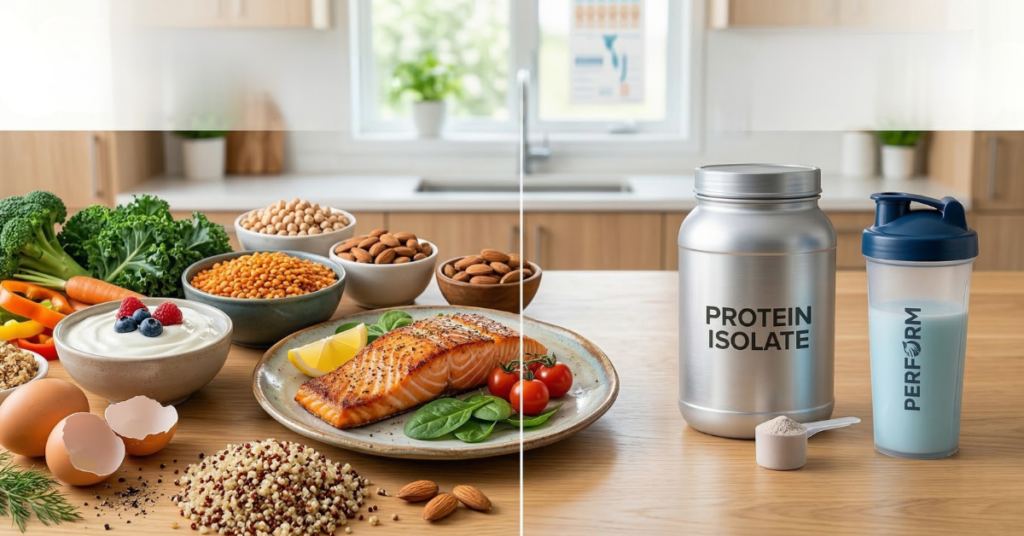
Protein powders are helpful when convenience matters, but they often lack several key nutrients that naturally occur in whole foods.
Whole foods provide:
• Essential vitamins and minerals that support muscle contraction
• Healthy fats that regulate hormones such as testosterone
• Digestive enzymes and probiotics that improve nutrient absorption
• A combination of fast and slow digesting proteins that support long-lasting muscle repair
These factors make whole foods a powerful foundation for effective muscle building nutrition.
While supplements deliver isolated protein, foods supply the full nutritional environment required for recovery, endurance, and long-term strength development.
5 Surprising High Protein Foods for Muscle Building
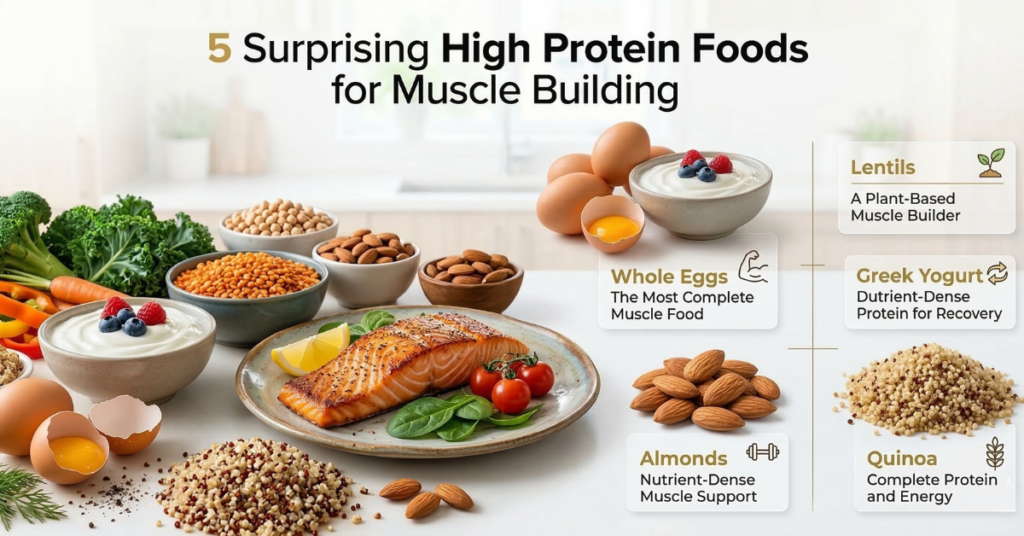
1. Whole Eggs: The Most Complete Muscle Food
Eggs are one of the most effective high protein foods for muscle building, but many people make the mistake of discarding the yolk.
The truth is that the yolk contains many of the nutrients that make eggs so powerful for muscle growth.
Egg yolks provide:
• Healthy fats that slow digestion and extend amino acid delivery
• Choline, which supports muscle function and brain health
• Fat-soluble vitamins important for recovery
• Additional amino acids that support protein synthesis
Research shows that consuming whole eggs after resistance training leads to significantly higher muscle protein synthesis compared to eating egg whites alone.
The fat in the yolk also slows digestion slightly, creating a steady supply of amino acids that muscles can use for repair.
Practical tip
A simple post-workout meal could include:
• 3 to 4 whole eggs
• whole-grain toast
• vegetables or avocado
This combination delivers protein, carbohydrates, and healthy fats that support recovery and muscle repair.
2. Greek Yogurt: Dual-Action Protein for Recovery
Greek yogurt is one of the most underrated foods for muscle growth because it naturally contains two powerful types of protein.
It provides both:
• Whey protein for rapid absorption
• Casein protein for slower digestion
This unique combination means muscles receive immediate nutrients for recovery while also getting a sustained release of amino acids for several hours afterward.
Greek yogurt also contains several important nutrients for athletes, including calcium, vitamin D, and probiotics that support digestion and nutrient absorption.
A practical pre- or post-workout snack might include Greek yogurt mixed with oats, berries, and honey. This combination provides protein, carbohydrates, and antioxidants that support recovery and performance.
3. Lentils: A Plant-Based Muscle Builder
Lentils may not look like traditional bodybuilding food, but they are among the best natural foods for muscle growth, particularly for those following plant-based diets.
One cup of lentils provides approximately 18 grams of protein along with complex carbohydrates that deliver steady energy for workouts.
They are also rich in iron and magnesium, two minerals that play critical roles in muscle performance. Iron helps transport oxygen through the bloodstream, while magnesium supports muscle contraction and protein synthesis.
Lentils also help replenish glycogen after training, making them excellent for post-workout meals.
For balanced muscle building nutrition, lentils can be paired with rice, eggs, or lean protein sources to create a complete amino acid profile.
4. Dark Chocolate: A Surprising Performance Booster
Dark chocolate might be the most unexpected entry on this list of foods better than protein powder, yet its benefits for athletes are backed by science.
High-quality dark chocolate contains compounds called flavonols. These compounds improve blood circulation and stimulate nitric oxide production, which enhances oxygen delivery to working muscles.
Improved blood flow can increase workout endurance and create a stronger muscle pump during resistance training.
Dark chocolate also contains antioxidants that help reduce inflammation and cortisol levels after intense exercise. Lower cortisol levels support a more favorable environment for muscle growth and recovery.
A small portion of dark chocolate with at least 70 percent cocoa about 30 to 60 minutes before training can provide a mild performance boost without relying on stimulant-heavy pre-workout supplements.
5. Cottage Cheese: Overnight Muscle Repair
Cottage cheese remains one of the most effective high protein foods for muscle building, especially when consumed before bedtime.
Its primary protein source is casein, a slow-digesting protein that releases amino acids gradually throughout the night.
This steady supply of nutrients helps reduce muscle breakdown during sleep and supports continuous recovery.
Cottage cheese also contains calcium and glutamine, both of which play roles in muscle contraction and recovery.
A simple nighttime snack could include cottage cheese topped with berries, almonds, or peanut butter. This combination creates a balanced recovery meal that helps support overnight muscle repair.
Practical Muscle-Building Nutrition Habits
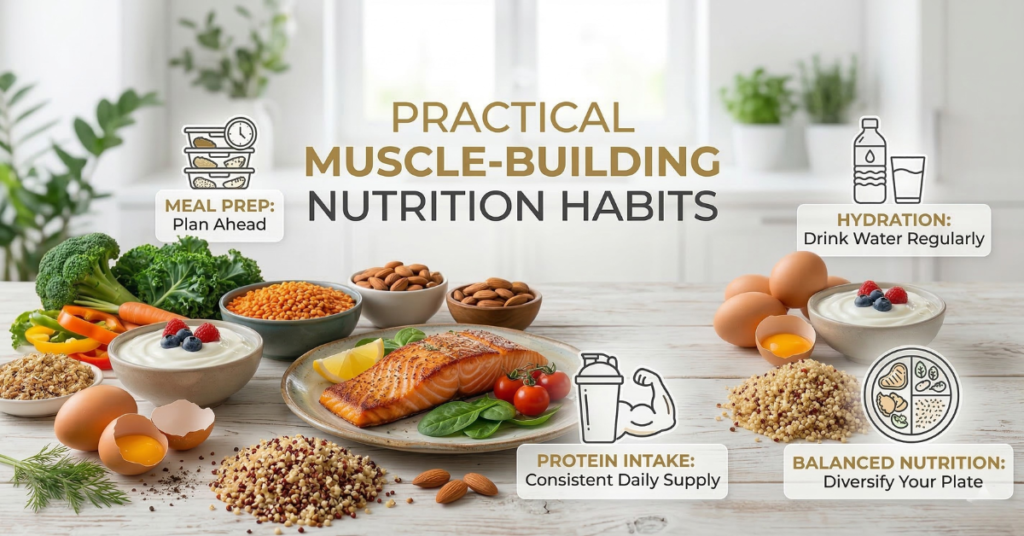
Long-term muscle growth comes from consistent habits rather than relying on a single food or supplement.
- Eat protein regularly throughout the day
Aim to include a quality protein source every 3 to 4 hours to help maintain muscle protein synthesis and support steady muscle repair. - Combine protein with strength training
Muscle growth occurs when proper nutrition works together with resistance training. Protein provides the building blocks needed for muscles to recover and grow stronger after workouts. - Focus on recovery
Quality sleep, proper hydration, and adequate micronutrient intake play an important role in muscle repair and overall performance.
Together, these habits create a strong foundation for effective muscle-building nutrition.
Conclusion: Real Food Still Wins
Protein supplements can be useful tools, but they should never replace a balanced diet built around nutrient-dense whole foods.
Eggs, Greek yogurt, lentils, dark chocolate, and cottage cheese each support muscle growth in different ways. Together, they create a strong foundation for effective muscle-building nutrition.
These foods provide high-quality protein along with essential vitamins, minerals, and healthy fats that support recovery, hormone balance, and training performance.
The most effective strategy for building muscle naturally remains simple: combine resistance training with high-protein foods that fuel recovery and long-term strength development. For more practical nutrition and training insights, explore expert fitness guides at Fitness Geekz.
Fuel your strength the right way. Discover more smart nutrition and muscle-building tips at Fitness Geekz and keep leveling up your training. 💪
FAQs
1. Are whole foods better than protein powder for muscle growth?
Whole foods often provide additional nutrients such as healthy fats, vitamins, minerals, and antioxidants that support recovery and muscle development. Protein powders can help meet daily protein goals but should complement rather than replace muscle building nutrition from real foods.
2. What are the best natural foods for muscle growth?
Some of the most effective options include eggs, Greek yogurt, lentils, cottage cheese, salmon, and lean meats. These best natural foods for muscle growth provide high-quality protein and essential nutrients for recovery.
3. Can plant-based foods build muscle effectively?
Yes. Foods such as lentils, beans, tofu, tempeh, and quinoa contain substantial protein and minerals that support muscle growth when combined with adequate calorie intake and resistance training.
4. How much protein should someone eat to build muscle?
Most research suggests consuming approximately 1.6–2.2 grams of protein per kilogram of body weight per day to support muscle growth when performing regular resistance training.
5. When is the best time to eat protein for muscle growth?
Protein intake after resistance training is important because muscles are more responsive to nutrients during recovery. Consuming protein evenly throughout the day can further enhance muscle protein synthesis.