
Most people blame aging, desk jobs, or genetics for poor posture. In many cases, the real issue is simpler: the upper back muscles responsible for posture are weak and undertrained.
Long hours of sitting, working on laptops, and looking down at phones keep the shoulders in a rounded position. Over time, this weakens the rhomboids, middle trapezius, and posterior deltoids. These muscles are responsible for pulling the shoulders back and keeping the spine properly aligned.
Research shows that nearly 80 percent of adults experience back pain at some point in life, with poor posture being a common contributing factor.
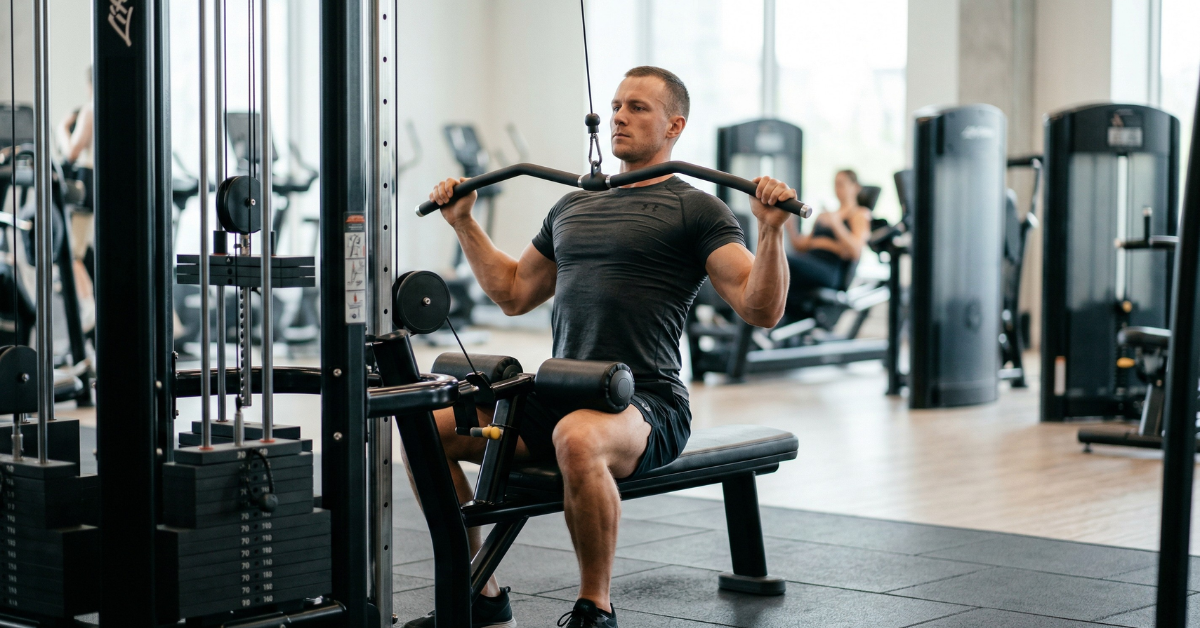
Many people try to fix this with machine exercises like lat pulldowns. While useful for building lat width, they are not always the most effective movement for posture improvement.
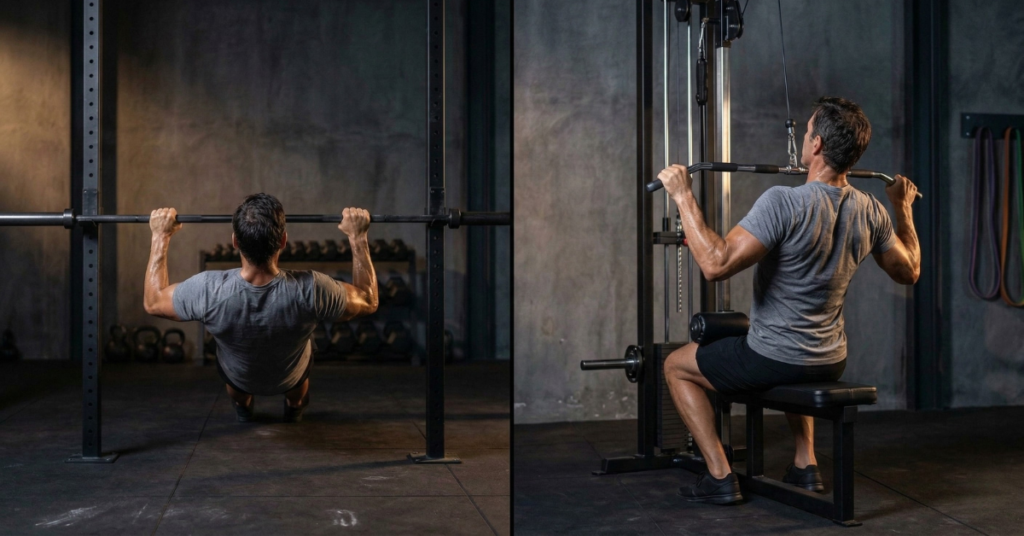
When comparing inverted rows and lat pulldowns, one exercise consistently stands out for posture correction, upper back strength, and long term shoulder health: the inverted row.
This simple bodyweight movement strongly activates the rhomboids and middle trapezius. Practiced consistently, it can improve posture, strengthen the posterior chain, and build functional pulling strength.
For anyone looking for a practical exercise to correct posture, inverted rows deserve a permanent place in the workout routine.
Watch this short video to learn the proper way to do this workout:
Inverted Rows vs Lat Pulldown: Key Differences That Affect Posture
Many gym programs rely heavily on vertical pulling movements like lat pulldowns. These exercises primarily target the lats and are effective for building back width.
However, posture correction requires horizontal pulling, which strengthens the mid-back muscles responsible for scapular retraction.
| Training Factor | Inverted Rows | Lat Pulldowns |
| Movement Type | Horizontal pulling | Vertical pulling |
| Primary Muscle Activation | Rhomboids, mid traps, rear delts | Latissimus dorsi |
| Posture Correction | Very effective | Limited |
| Core Engagement | High (plank position) | Minimal |
| Joint Stress | Lower shoulder stress | Can strain shoulders if performed incorrectly |
| Scalability | Adjustable body angle | Adjustable machine weight |
| Functional Strength | High real-world transfer | More isolated movement |
Understanding these differences explains why inverted rows are often considered among the most effective upper back strengthening exercises for posture and shoulder health.
Why Inverted Rows Are the Best Exercise for Posture Correction
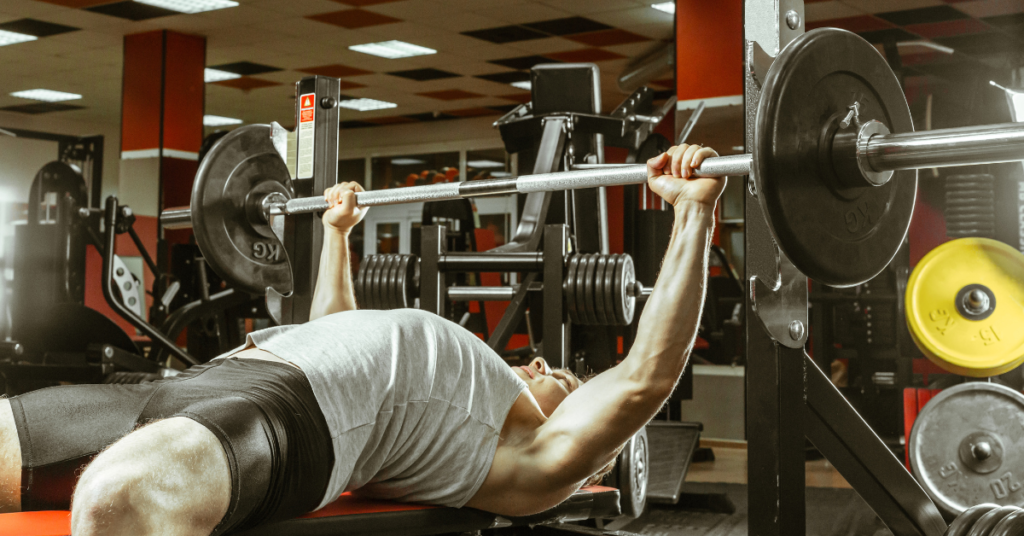
1. Dramatic Improvement in Posture
Modern lifestyles encourage rounded shoulders and forward head posture.
Inverted rows directly strengthen the muscles that reverse this position:
- Rhomboids
- Middle trapezius
- Posterior deltoids
These muscles pull the shoulder blades backward and stabilize the upper spine.
Training these muscles consistently can significantly improve posture. Many office workers who perform horizontal pulling movements several times per week notice reduced neck tension and improved spinal alignment.
As these muscles grow stronger, the shoulders naturally sit in a healthier, more open position.
2. Superior Scapular Stability
Shoulder pain is extremely common among people who lift weights or spend long hours at a desk.
One of the biggest causes is poor scapular control.
Inverted rows train the shoulder blades to retract and depress together, which strengthens stabilizing muscles like the rhomboids and serratus anterior.
This improved scapular control benefits many movements, including:
- Bench press
- Overhead pressing
- Pull-ups
- Daily lifting tasks
Better stability also significantly reduces the risk of shoulder injuries.
3. Balanced Upper Back Activation
Most gym programs emphasize the lats but neglect the mid-back.
This imbalance contributes to rounded shoulders and poor posture.
Inverted rows emphasize the middle trapezius and rhomboids, which are essential for posture correction and upper back thickness.
Compared with machine-based pulling exercises, inverted rows stimulate significantly greater activation in these key muscles.
The result is a stronger, thicker upper back that supports healthy shoulder positioning.
4. Reduced Lower Back Stress
Lower back discomfort affects a large percentage of adults.
While many exercises place additional strain on the lower spine, inverted rows actually help support it.
Because the body must remain in a straight line during the movement, the core and spinal stabilizers remain engaged throughout the exercise.
This improves spinal stability and helps maintain better posture during everyday activities.
5. Improved Neuromuscular Coordination
Bodyweight movements require the brain and muscles to work together efficiently.
Inverted rows train coordination between the back, arms, core, and grip.
This creates stronger movement patterns that transfer directly to daily life activities such as lifting, carrying, or pulling.
Over time, improved coordination allows individuals to generate more pulling strength with less effort.
6. Functional Grip Strength Development
Grip strength plays a critical role in many exercises including:
- Deadlifts
- Pull-ups
- Farmer’s carries
Because inverted rows require the body to hang from a bar while pulling, the forearms and hands remain constantly engaged.
People who regularly perform inverted rows often experience noticeable improvements in grip endurance.
Strong grip strength has also been linked to overall health and longevity, making it an important but often overlooked component of fitness.
7. Integrated Core Strength
Unlike machine exercises where the body remains supported, inverted rows require the entire body to stabilize during the movement.
The core must remain tight from head to heels, similar to a plank.
This trains the abdominal muscles and spinal stabilizers in a highly functional way, improving posture and protecting the spine during daily movements.
How to Perform Inverted Rows Correctly
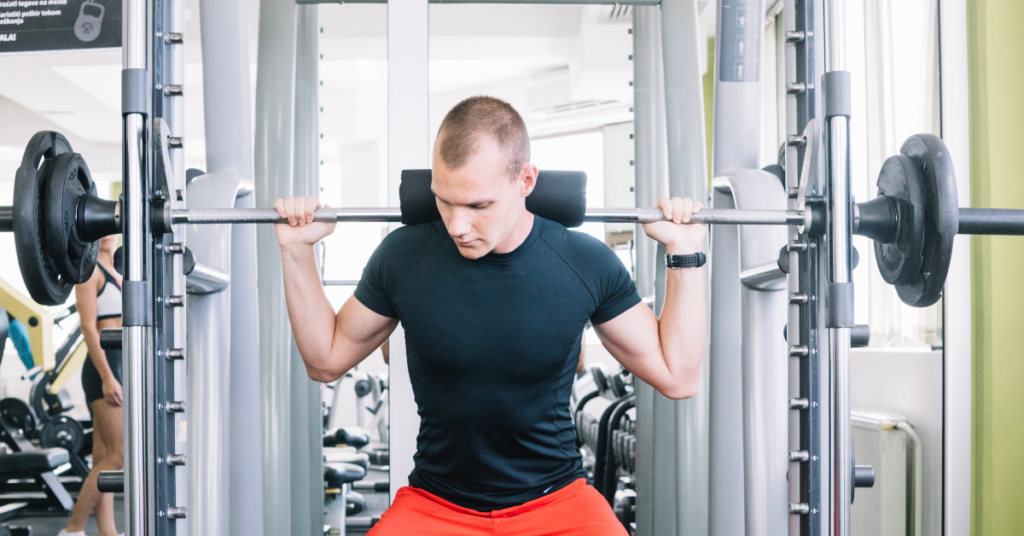
Proper technique ensures maximum benefit while reducing the risk of injury.
Step by Step Execution
- Position a bar at waist height in a rack or Smith machine.
- Lie underneath the bar with your heels on the floor and grip the bar slightly wider than shoulder width.
- Keep your body in a straight line from head to heels, engaging the core and glutes for stability.
- Retract the shoulder blades before pulling to activate the upper back muscles.
- Pull your chest toward the bar while keeping the elbows close to the body.
- Pause briefly at the top position.
- Lower yourself slowly under control until the arms are fully extended.
Beginner Training Recommendation
Start with 3 sets of 8 to 10 repetitions, resting about 90 seconds between sets. Training inverted rows two to three times per week is usually enough to build strength and improve posture.
As strength improves, increase the difficulty by lowering the bar height or elevating the feet to place greater demand on the upper back muscles.
Practical Training Tips for Long-Term Progress
For sustainable progress and injury prevention, follow these training habits:
- Prioritize horizontal pulling in workouts. Many people perform far more pressing exercises than pulling movements, which can create muscular imbalances over time.
- Maintain proper scapular control. Focus on squeezing the shoulder blades together during each repetition instead of pulling only with the arms.
- Train progressively. Adjust the body angle to increase or decrease resistance based on your current strength level.
- Build a balanced upper back routine. Combine inverted rows with exercises like face pulls, band pull-aparts, and dead hangs to strengthen the entire upper back.
Conclusion
When comparing inverted rows and lat pulldowns, both exercises can play a useful role in a training program. Lat pulldowns are effective for building lat width and improving vertical pulling strength.
However, when the goal is posture correction, stronger upper back muscles, and long term shoulder health, inverted rows offer clear advantages. This movement activates the muscles responsible for spinal alignment, improves scapular stability, strengthens grip, and engages the core in a more functional way.
For anyone looking to correct posture and build balanced pulling strength, inverted rows remain one of the most effective and accessible exercises.
Practiced consistently, this simple bodyweight movement can significantly improve posture, strengthen the upper back, and support healthier movement patterns over time.
Fix your posture, strengthen your back, and train smarter. Discover more practical strength and mobility guides at Fitness Geekz and start building a stronger, healthier body today. 💪
FAQs
1. Are inverted rows better than lat pulldowns for posture?
Yes. Inverted rows emphasize horizontal pulling and activate the rhomboids and middle trapezius more effectively. These muscles are essential for pulling the shoulders back and correcting rounded posture.
2. How often should inverted rows be trained?
Most people benefit from performing inverted rows two to three times per week as part of an upper body or back workout routine.
3. Are inverted rows suitable for beginners?
Yes. The exercise is highly scalable. Beginners can bend their knees or raise the bar height to reduce difficulty while still strengthening the upper back.
4. Do inverted rows help improve pull-ups?
Yes. Inverted rows strengthen many of the same muscles used in pull-ups and are often used as a progression exercise to develop pulling strength.
5. Can inverted rows reduce shoulder or neck pain?
When performed correctly, inverted rows strengthen the muscles responsible for posture and scapular stability. This can reduce tension in the neck and shoulders caused by poor posture.