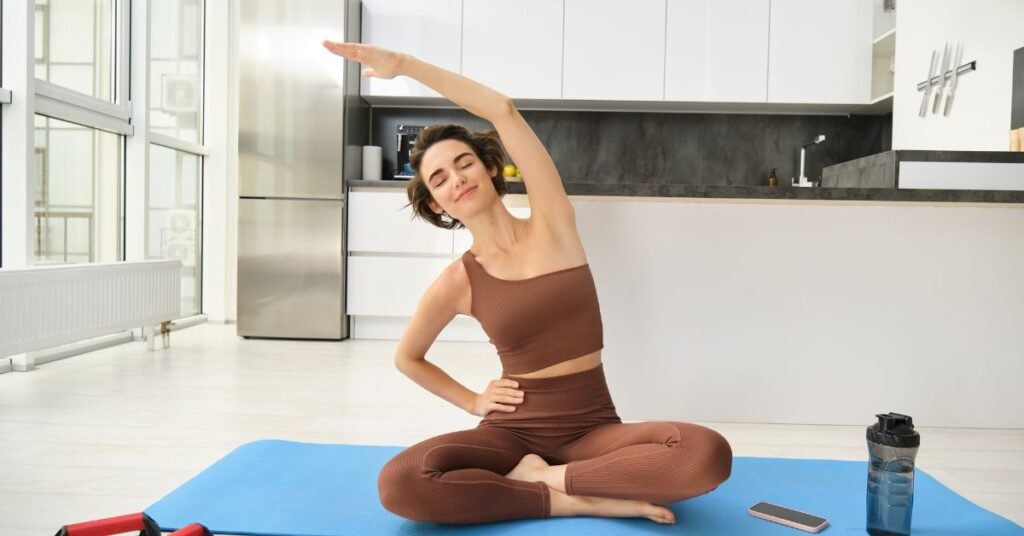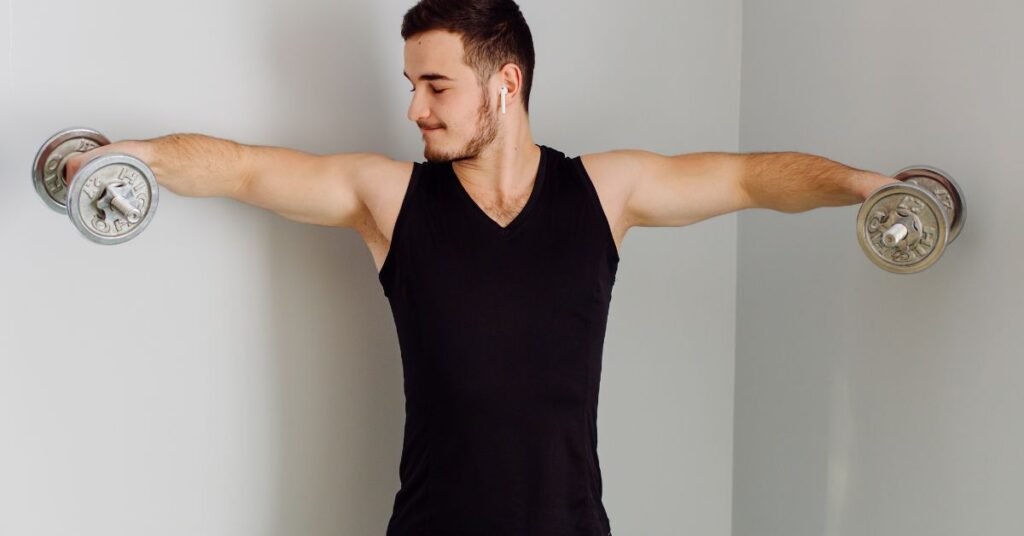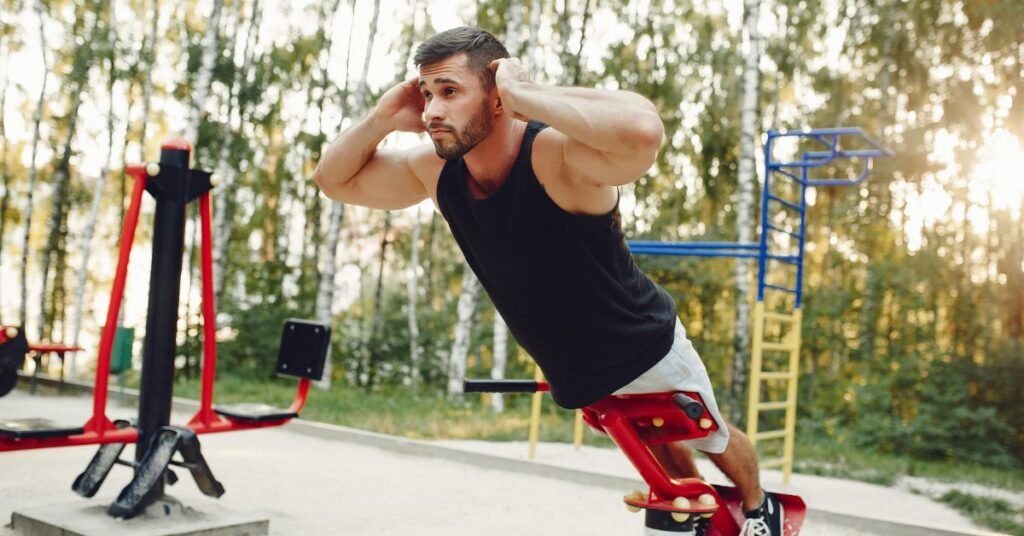
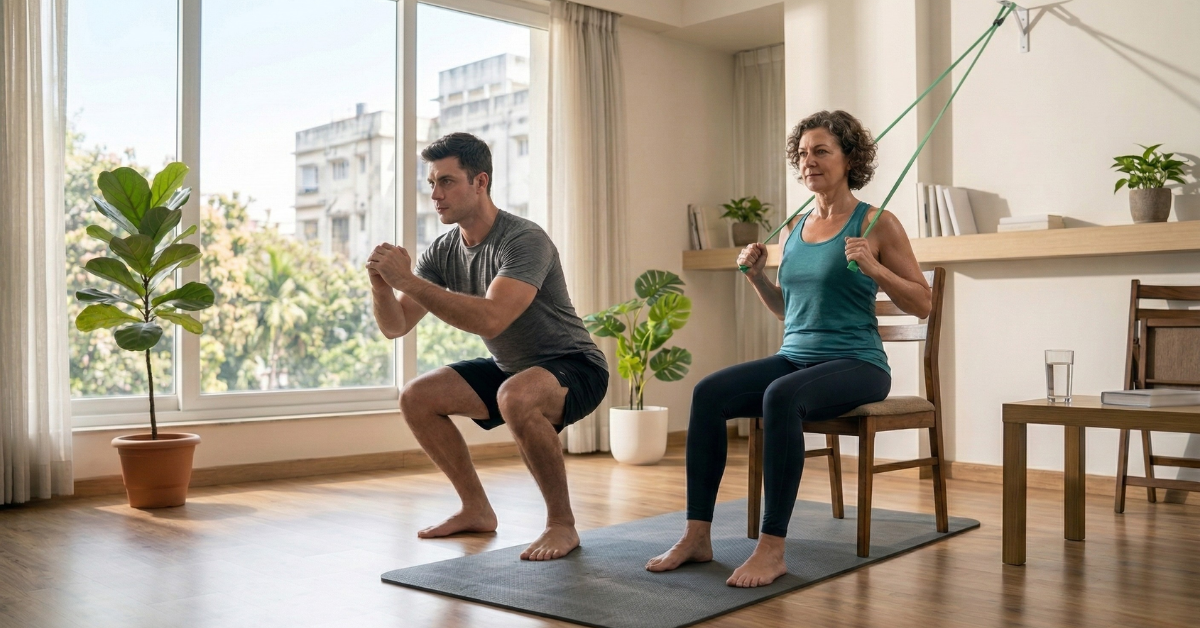

One day, without warning, the body sends a message.
It is not dramatic. It is subtle.
You bend to tie your shoes and feel tightness.
You get out of bed and notice stiffness that was not there before.
You climb a few stairs and your legs feel heavier than they used to.
For years, movement seemed optional. Long hours of sitting and skipped workouts felt harmless.
Until the body quietly began to change.
The body rarely declines overnight. It happens slowly through years of inactivity.
Research shows adults lose about 3 to 8 percent of muscle mass every decade after age 30, a process known as sarcopenia. Strength, balance, mobility, and bone density decline as well, increasing the risk of falls and loss of independence.
The good news is that this decline is not inevitable.
The right longevity exercises can maintain strength, support joints, improve balance, and protect mobility. Even small, consistent training habits can help people stay strong and independent after 50.
For a better understanding of the workout, watch this video:
This guide from Fitness Geekz highlights seven science backed movements that support long term health and functional fitness.
This is not about aesthetics.
It is about staying strong enough to move freely, climb stairs, carry groceries, and live independently.
Why Strength and Mobility Matter More After 50
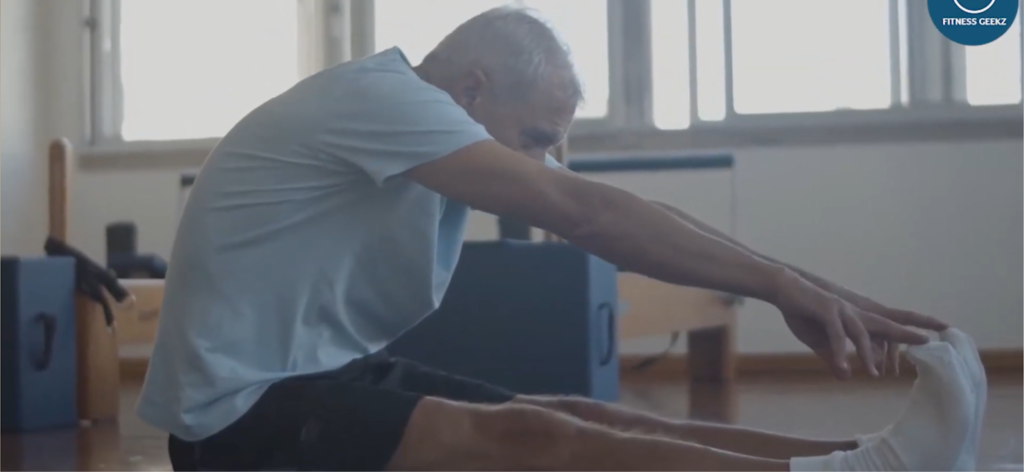
Aging does not simply mean getting older. It often means gradually losing physical capability.
Several key systems begin to change with age:
Muscle Mass and Strength
Loss of muscle reduces stability, power, and metabolic health.
Joint Mobility
Limited range of motion leads to stiffness, poor posture, and injury risk.
Bone Density
Weaker bones increase fracture risk, particularly during falls.
Balance and Coordination
Reduced stability increases the likelihood of falls, one of the leading causes of injury after age 50.
Research consistently shows that certain physical markers strongly predict longevity:
• Lower body strength
• Grip strength
• Balance and coordination
• Cardiovascular fitness
• Joint mobility
The goal of training after 50 is not just fitness. It is preserving the ability to move confidently and independently throughout life.
7 Exercises for Longevity and Strength After 50
1. Bird Dog – The Foundation of Spinal Stability
The Bird Dog is one of the most effective movements for protecting the spine.
Research from spinal biomechanics laboratories shows that this exercise activates deep stabilizing muscles while placing minimal compression on the spine. That combination is rare.
It strengthens the lower back, deep abdominal muscles, glutes, and shoulder stabilizers simultaneously.
How to perform it
Start on hands and knees. Hands under shoulders and knees under hips. Extend your right arm forward and left leg back while keeping your spine neutral.
Hold for about three seconds, then return and switch sides.
Imagine balancing a glass of water on your back.
Training suggestion
Perform 2–3 sets of 8–10 repetitions per side.
2. Dead Hang – Restore Shoulder and Spine Health
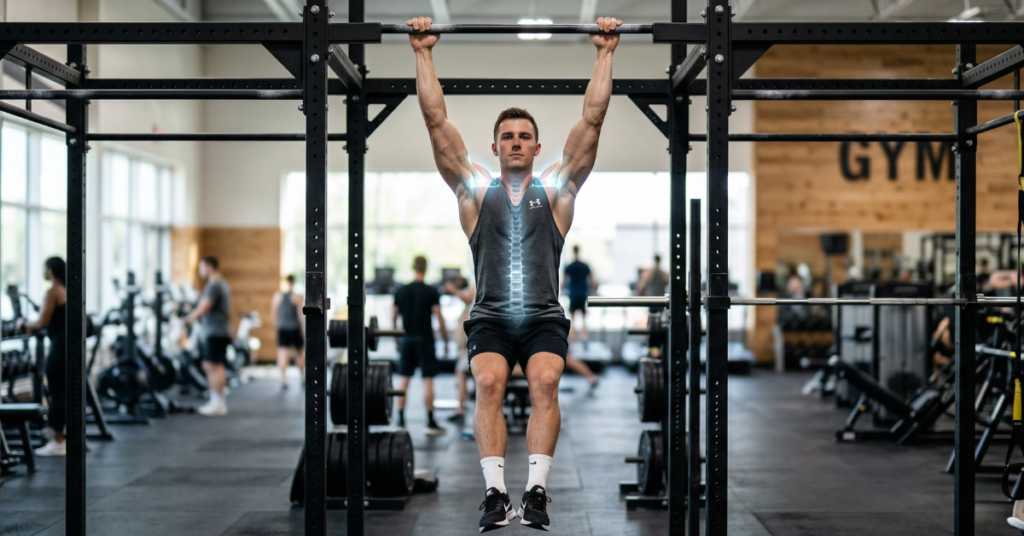
Most adults rarely decompress their spine.
Hours of sitting compress spinal discs and tighten the shoulders. Over time this contributes to stiffness and discomfort.
Dead hangs counteract that compression.
Hanging gently stretches the spine, improves shoulder mobility, and builds grip strength. Grip strength is widely considered one of the strongest predictors of longevity and overall health.
How to perform it
Grab a pull-up bar with palms facing forward. Allow your body to hang while relaxing your shoulders and breathing steadily.
Progression
Beginner: 10–20 seconds
Intermediate: 30–45 seconds
Advanced: 60 seconds or more
Avoid if you have acute shoulder or spinal injuries.
3. Step-Ups – Strength That Prevents Falls
Falls are one of the leading causes of disability after age 50.
Step-ups strengthen each leg individually, which improves coordination and balance. This single-leg strength plays a major role in walking, climbing stairs, and stabilizing the body during movement.
How to perform it
Use a step about 6–8 inches high. Place one foot firmly on the platform and push through your heel to stand up.
Step down slowly and repeat.
Training suggestion
2–3 sets of 10 repetitions per leg.
4. Single-Leg Balance – A Powerful Longevity Indicator
Balance is often overlooked until it declines.
Research has shown that adults over 50 who cannot stand on one leg for 10 seconds have a significantly higher risk of mortality within the following decade.
Balance reflects the health of the nervous system, muscles, joints, and brain.
How to perform it
Stand tall and lift one foot off the ground. Fix your gaze on a point ahead and hold the position.
Start near a wall for safety.
Progression
• Hold for 30 seconds
• Close eyes for increased challenge
• Repeat 2–3 rounds per side
5. Farmer’s Walk – The Ultimate Functional Strength Exercise
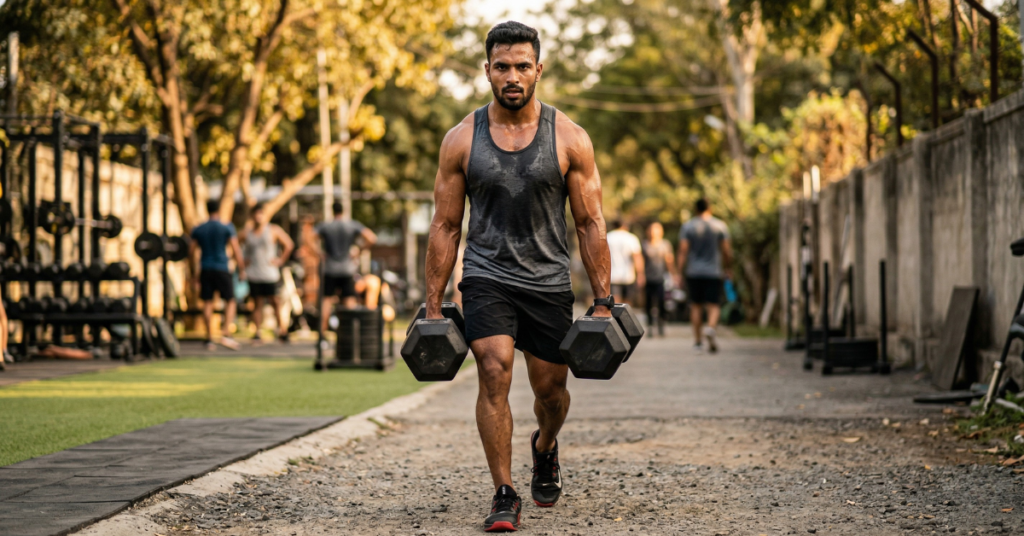
Few exercises build real-world strength like the Farmer’s Walk.
Carrying heavy objects challenges grip strength, posture, core stability, and leg endurance simultaneously.
Studies consistently link strong grip strength to lower mortality risk and better overall health.
How to perform it
Hold a pair of heavy dumbbells or kettlebells. Stand tall with shoulders back and core engaged.
Walk slowly and steadily without leaning.
Training suggestion
Beginner: 3 sets of 30 seconds
Intermediate: 3 sets of 45 seconds
Advanced: 60 seconds carries
6. Incline Push-Ups – Build Upper Body Strength Safely
Upper body pushing strength is essential for everyday independence.
It helps with tasks like getting up from the floor, pushing heavy objects, and stabilizing the body during falls.
Incline push-ups reduce joint stress while still developing meaningful strength.
How to perform it
Place your hands on a wall, bench, or table. Keep your body in a straight line from head to heels.
Lower your chest toward the surface while keeping elbows at roughly 45 degrees.
Push back up with control.
Progression
Wall push-ups → bench push-ups → floor push-ups.
Perform 2–3 sets of 10–15 repetitions.
7. Calf Raises – The Overlooked Longevity Exercise
The calf muscles play a surprisingly important role in circulation.
They help pump blood back toward the heart and support ankle stability during walking.
Weak calves can lead to fatigue, poor balance, and joint stress.
How to perform it
Stand tall and slowly rise onto your toes. Pause briefly at the top before lowering with control.
For increased range of motion, perform the movement on a step.
Training suggestion
2–3 sets of 15–20 repetitions.
Bonus Movement: The Deep Resting Squat
Before chairs became common, humans frequently rested in deep squats.
Today many adults cannot comfortably hold this position.
The deep squat restores mobility in the hips, ankles, and knees while improving posture and joint health.
Start with short holds of 15 seconds while using support if needed. Gradually work toward holding the position for one to two minutes.
Regular practice can significantly improve mobility exercises for seniors and overall joint health.
A Simple Weekly Routine for Longevity
A simple weekly routine for longevity can look like this:
| Day | Focus | Exercises |
| Day 1 | Strength | Step-ups, Incline push-ups, Farmer carries, Calf raises |
| Day 2 | Mobility | Bird Dog, Deep squat practice, Balance work, Brisk walking |
| Day 3 | Strength and Stability | Dead hangs, Step-ups, Farmer carries, Core training |
Two to three strength sessions per week combined with regular walking is often enough to maintain strength and mobility after 50.
Sustainable Fitness Habits That Support Healthy Aging
The exercises above work best when supported by healthy habits.
- Train consistently
Two or three strength sessions each week can preserve muscle mass. - Prioritize mobility
Daily stretching or mobility work keeps joints functional. - Walk regularly
Brisk walking supports heart health and recovery. - Eat enough protein
Protein supports muscle repair and growth. - Sleep well
Recovery and hormonal health depend on quality sleep.
These habits work together to protect independence in aging.
Conclusion
Aging rarely arrives all at once. It develops gradually, often when regular movement disappears from daily life. The human body is built to move, lift, carry, balance, and adapt to physical demands. When these abilities are not used, they slowly begin to fade.
Practicing a few key longevity exercises several times a week can help preserve strength, mobility, and confidence in the body for decades. The goal is not extreme workouts or perfectly structured routines. What matters most is consistently using the body in the ways it was designed to move.
Maintaining strength after 50 is not about chasing aesthetics or fitness trends. It is about protecting independence, mobility, and the freedom to live everyday life without physical limitations. The earlier these habits begin, the greater the long term benefits. Starting today is what truly makes the difference.
Stay strong, move better, and age with confidence. Explore more practical fitness and longevity guides at Fitness Geekz and start building habits that keep your body capable for years to come. 💪
FAQs
1. What are the best exercises for longevity after 50?
Functional movements like farmer carries, step-ups, incline push-ups, and balance exercises help maintain muscle mass, joint health, and mobility. These abilities strongly influence long-term health and independence.
2. How often should adults over 50 strength train?
Most research recommends strength training two to three times per week, combined with daily walking or light activity.
3. Are mobility exercises important for seniors?
Yes. Mobility exercises help maintain joint range of motion, reduce stiffness, and support everyday movement.
4. Is it safe to start strength training after 50?
Yes. When exercises are performed with proper technique and gradual progression, strength training is safe and extremely beneficial for older adults.
5. Can exercise reduce the risk of falls?
Yes. Exercises that build leg strength, balance, and coordination significantly reduce fall risk and help maintain independence later in life.