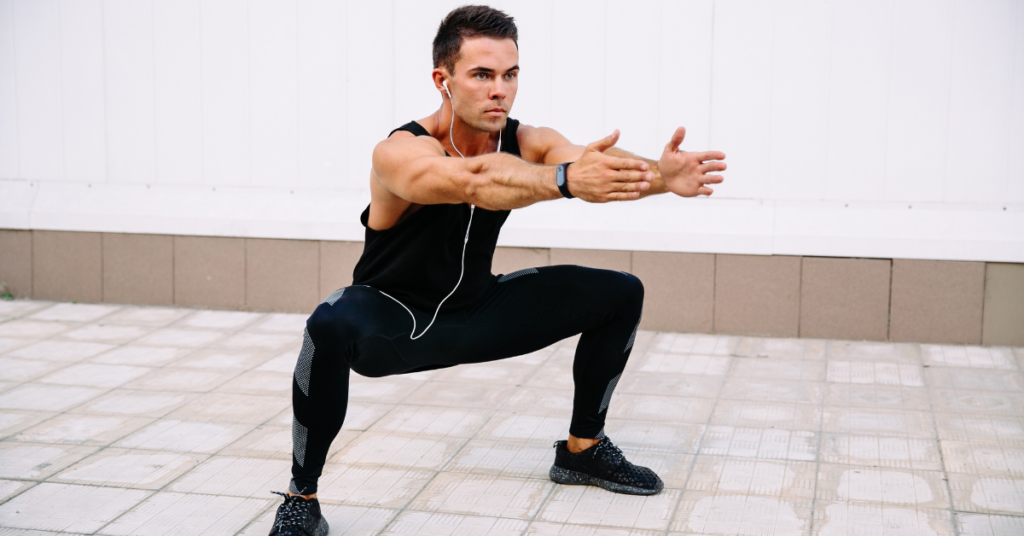
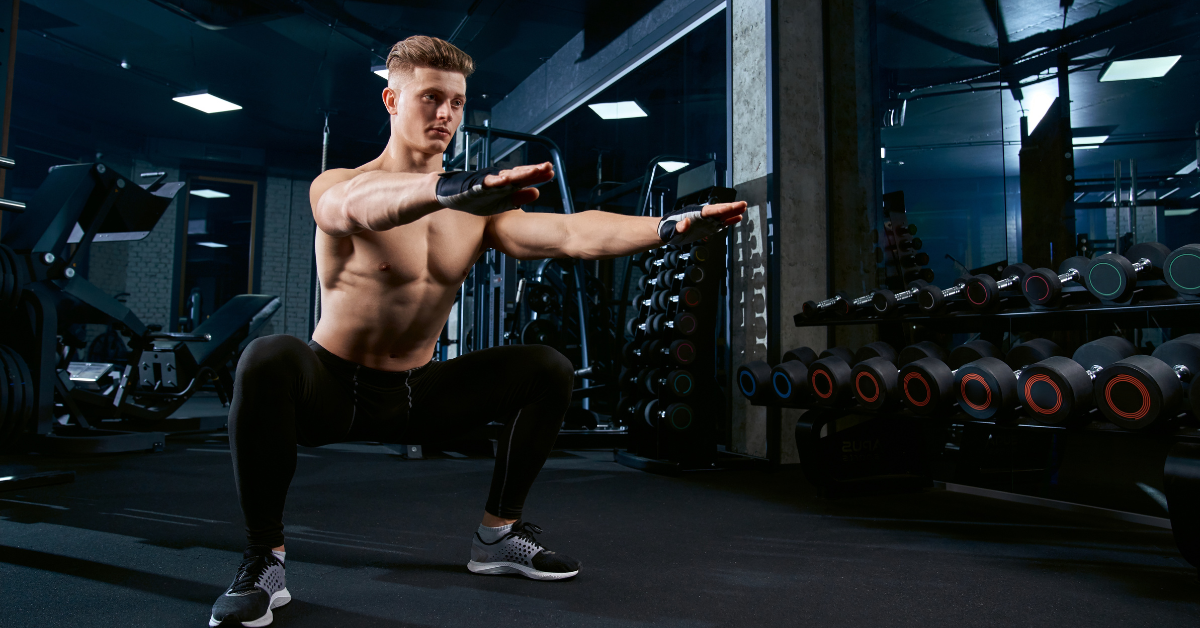

Quick Answer: Most people lose deep squat mobility from prolonged sitting, not aging, it stems from tight ankles, stiff hips, weak glutes, and upper back stiffness, not a permanent loss. Tight ankles limit dorsiflexion, tight hip flexors restrict hip flexion, weak glutes cause knee instability, and thoracic stiffness forces forward lean. The fix: daily supported squat holds (1–2 minutes), ankle and hip mobility stretches, and glute-strengthening exercises like bridges and clamshells. Most people notice improved depth and comfort within 2–4 weeks, with significant range-of-motion gains over 2–4 months of consistent practice.
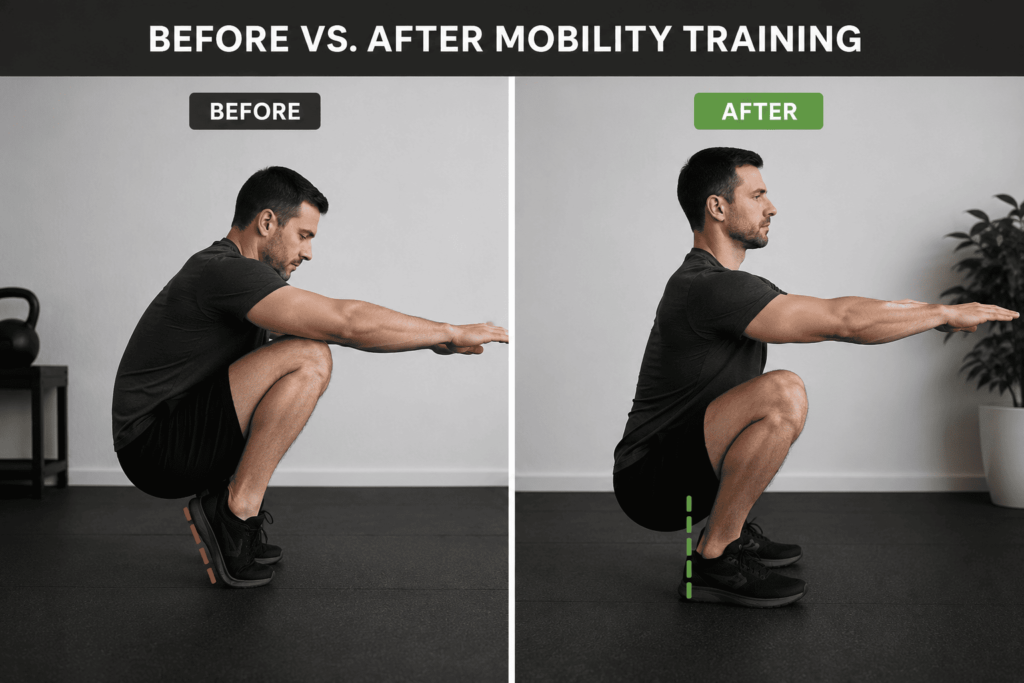
Have you ever noticed that squatting down to pick something up feels harder than it used to? Maybe your heels lift off the floor, your hips feel tight, or your knees and lower back complain the moment you try to sit into a deep squat. Somewhere in the back of your mind, you may even wonder if that is simply part of getting older.
It is not. And that is the most important thing to understand before reading another word.
Watch a toddler play and you will see perfect squat mechanics without a single coaching cue: deep, effortless, and comfortable. That was once natural for you too, and it can be again. The deep squat is one of the most fundamental human movements, and most adults do not lose it because of age. They lose it because of chairs.
Hours spent sitting at desks, driving, scrolling on phones, and moving far less than the body was designed to gradually reduce the mobility of the hips, ankles, and core needed for comfortable squatting. Before chairs became common, people squatted to rest, cook, work, and even use the bathroom. In many cultures, the deep squat remains a normal resting position, while in much of the Western world it has largely been replaced by furniture that quietly erodes physical function over time.
The good news is that the body remains adaptable at every age. With the right mix of mobility work, targeted strength training, and consistent practice, most people can significantly improve their deep squat mobility.
Take your training to the next level, check out the full video here:
What Prolonged Sitting Is Actually Doing to Your Body
Before addressing the solution it is worth understanding the problem clearly because most people significantly underestimate what hours of daily sitting produces over months and years.
When the body spends most of its waking hours in a seated position, four things happen simultaneously. The glutes essentially shut down, leading to weaker hips, reduced posterior chain activation, and chronic lower back pain. The abdominals stop contributing efficiently to movement and posture, producing a weak midsection that cannot protect the spine under load. The hip flexors become chronically shortened and tight, which directly restricts the ability to sit into a full squat. And the digestive system can struggle because prolonged compressive sitting places unnecessary strain on the abdominal organs.
This is not a warning designed to frighten anyone away from sitting. It is the physiological reality of what happens when the body adapts to the positions it is placed in most frequently. If the dominant position is seated, the body becomes progressively better at seated and progressively worse at everything else.
The deep squat is the most direct antidote to this pattern available.
The Biggest Mobility Roadblocks
If deep squatting feels uncomfortable or impossible right now, there is almost always more than one factor involved. Think of the squat as a chain. If one link becomes stiff or weak, the entire movement suffers. Here are the four most common roadblocks.
1. Tight Ankles
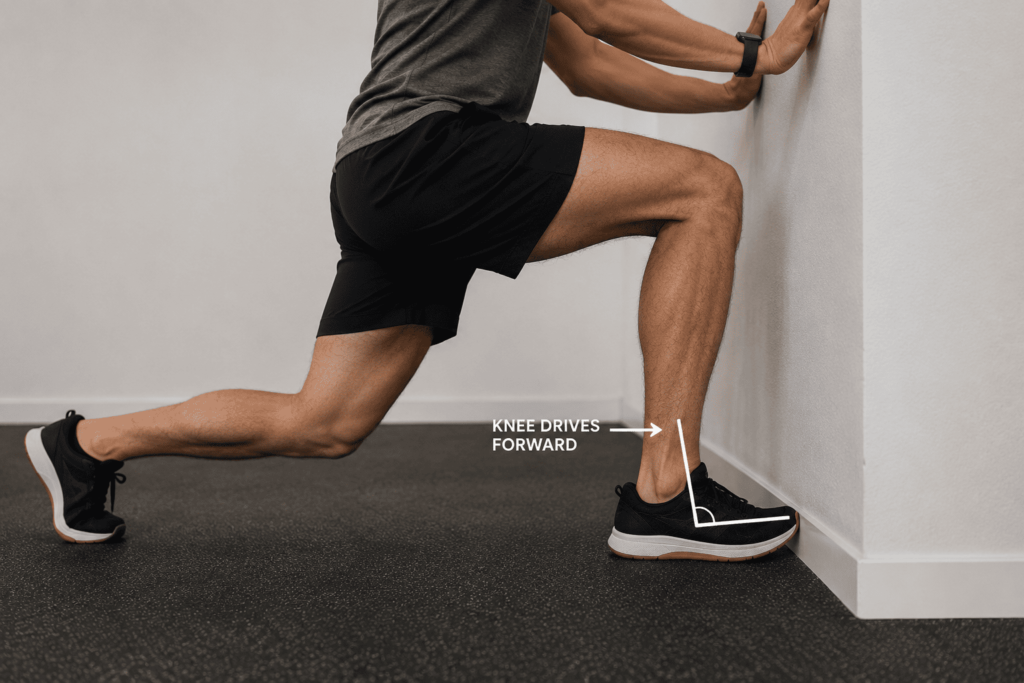
This is the most overlooked reason people struggle with squat depth and the one that frustrates people most because it seems unrelated to squatting.
To perform a deep squat, the knees need to travel forward while the heels stay planted on the floor. This requires adequate ankle dorsiflexion, the ability of the ankle to flex the foot upward while bearing load. When the calves are tight or the ankles lack this range of motion, the body compensates by lifting the heels off the floor or leaning excessively forward, both of which immediately reduce squat depth and increase lower back stress.
Ankle mobility exercises including calf stretches performed against a wall, knees-over-toes lunges, and deep dorsiflexion stretches held for 30 to 60 seconds can produce noticeable improvements in squat depth within a few weeks of consistent daily practice.
2. Stiff Hips
Tight hips are the second major culprit and the one most people immediately identify when they struggle to squat.
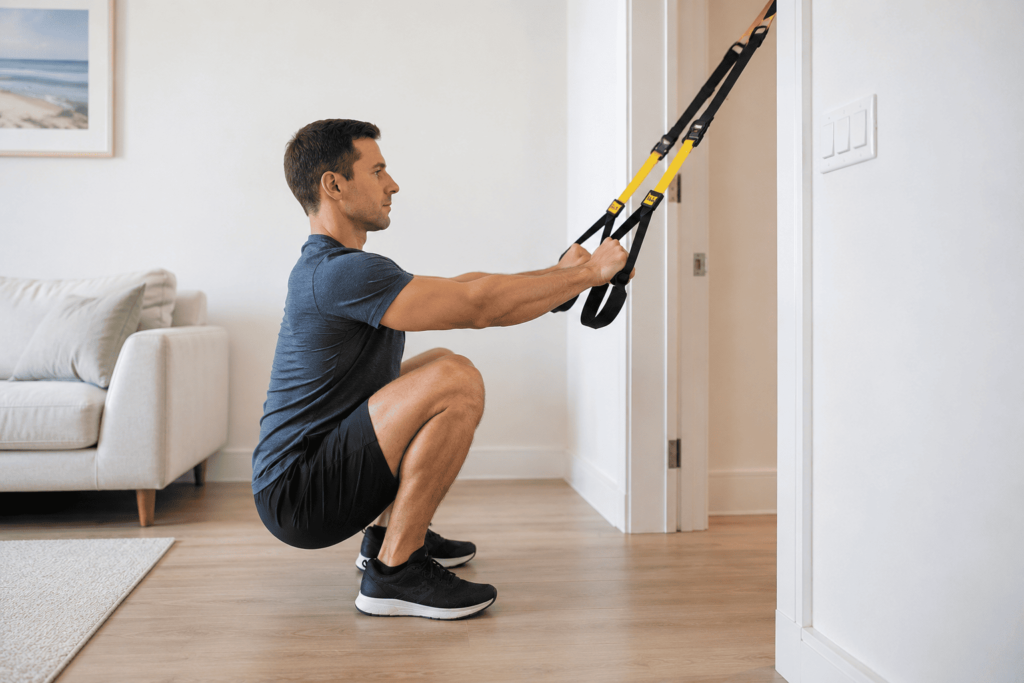
The hips need to flex and rotate simultaneously to allow comfortable sitting into a deep squat position. When the hip flexors become shortened from prolonged sitting, this combined movement becomes restricted, and squat depth decreases proportionally. Hip mobility exercises including figure-four stretches, hip flexor stretches with a posterior pelvic tilt, deep squat holds using a doorframe or TRX for support, and controlled hip rotation exercises directly address this restriction.
3. Weak Glutes and Hip Stabilisers
Here is where most mobility programmes fall short. Mobility is not only about flexibility. Sometimes the restriction is not tightness but weakness.
Weak glutes and hip stabilisers cause the knees to collapse inward during a squat and make the bottom position feel unstable and unsafe. When the body perceives instability, it restricts range of motion as a protective response. This means no amount of stretching will fully resolve the issue if the strength deficit is not also addressed.
Glute bridges, hip thrusts, and banded clamshells strengthen the muscles responsible for hip stability and control, directly enabling the deeper, more comfortable squat position that stretching alone cannot unlock.
4. Upper Back Stiffness
Many people focus entirely on the lower body when working on squat mobility and overlook the thoracic spine entirely.
A stiff upper back prevents the upright torso position that deep squatting requires. When the thoracic spine cannot extend properly, the body compensates by leaning forward excessively, which shifts load onto the lower back and makes the bottom position uncomfortable. Mobility drills including cat-cow stretches, thoracic rotations on a foam roller, and thread-the-needle exercises address this restriction and often produce immediate visible improvements in squat posture. Holding positions under tension, a principle covered in detail in the static contraction approach, applies directly to thoracic mobility work by training the upper back muscles to maintain position rather than simply stretch through it.
5. Simple Disuse
The most straightforward explanation is often the most accurate. Most adults simply stop squatting. The body consistently maintains the movements it uses regularly and loses the ones it ignores. Spending even one to two minutes per day in a supported deep squat position, holding a doorframe or TRX strap, is enough to begin reversing years of accumulated restriction.
Is the Resting Squat Actually Good for You?
This question has become genuinely popular in recent years and deserves an honest answer rather than either breathless enthusiasm or reflexive dismissal.
The resting squat, holding a passive deep squat position as a form of rest rather than as an exercise, delivers several legitimate health benefits that go well beyond what most people associate with squatting.
Hip flexibility and back pain relief are the most immediate benefits. Holding a deep squat position stretches and mobilises the hips in a way that passive sitting cannot replicate, which may reduce chronic lower back discomfort and improve overall movement quality with surprisingly little daily investment.
Core and pelvic floor engagement is a less obvious but genuinely significant benefit. Unlike sitting in a chair, holding a resting squat requires the core and pelvic floor muscles to actively engage to maintain the position, which builds baseline stability that supports posture and reduces injury risk over time.
Digestion support has a real anatomical basis. In a deep squat position the colon and intestines align in a way that naturally facilitates waste elimination, which is why squatting toilets remain the standard in many countries with lower rates of certain digestive conditions. This is not a social media trend. It is basic anatomy.
Mobility and functional strength are developed simultaneously through regular resting squat practice by challenging ankle, knee, and hip mobility under load while maintaining the movement pattern that modern life most aggressively degrades.
Can You Get the Same Benefits Without Squatting?
For anyone who cannot yet get into a deep squat, this is the right question to ask.
Hip openers and hamstring stretches improve the flexibility and mobility components without requiring the full squat position. Seated figure-four stretches, supine hip rotations, and standing hip flexor stretches are all effective entry points.
Bridges, lunges, and planks strengthen the glutes, core, and legs that a healthy squat pattern requires, building the strength foundation that makes the squat position progressively more accessible over time. These same movements form the basis of low-impact strength work that helps older adults rebuild the functional capacity that prolonged inactivity removes.
Active sitting strategies including alternating between sitting and standing throughout the day, using a stability ball occasionally, or simply taking a 2-minute walking break every 45 minutes significantly reduce the accumulated tightness that prolonged sitting creates.
These alternatives are not a permanent substitute for squatting. They are the bridge that makes squatting progressively more accessible for people starting from a limited range of motion.
6 Surprising Benefits of Regaining Deep Squat Mobility
- Better hip flexibility by regularly moving the hips through their full range of motion, reducing stiffness and improving overall movement quality.
- Stronger glutes and legs through increased activation of the glutes, quadriceps, and hamstrings compared to partial-range squats.
- Improved everyday movement, making tasks like lifting groceries, gardening, playing with children, and getting off the floor easier and more comfortable.
- Better balance and stability by developing coordination, joint control, and body awareness through regular deep squat practice.
- Healthier knees by strengthening the muscles that support the knee joint when deep squats are performed with proper technique.
- Greater long-term mobility and independence by preserving the functional movement capacity needed to stay active and self-sufficient as you age.
A Simple Mobility Training Plan
Start small and stay consistent. This is the principle that separates people who improve from people who plateau.
Every day: Spend one to two minutes in a supported deep squat hold using a doorframe, TRX strap, or sturdy chair for support. Perform hip flexor stretches and calf stretches on both sides.
Two to three times per week: Include glute bridges, banded clamshells, and assisted bodyweight squats. Add thoracic mobility work through cat-cow stretches and foam roller extensions.
Weekly progression: Gradually reduce the support needed for the squat hold, increase the depth incrementally, and extend the daily hold duration as comfort and strength improve.
Progressive overload applies to mobility training exactly as it applies to strength training. The goal is gradual, consistent expansion of range of motion and control before adding any external load.
Recovery, Nutrition, and the Habits That Support Mobility Gains
- Prioritize quality sleep. Aim for 7 to 9 hours each night to support tissue repair and the neurological adaptations stimulated by mobility training.
- Stay well hydrated. Adequate hydration helps maintain synovial fluid, which lubricates joints and supports smooth, pain-free movement.
- Keep moving throughout the day. Regular walking, standing, and light activity help prevent the stiffness that prolonged sitting can recreate between mobility sessions.
- Eat enough protein. Sufficient daily protein intake supports connective tissue repair and the long-term adaptations needed for improved mobility.
- Treat mobility as a lifestyle habit. Lasting flexibility and joint health depend not only on stretching but also on consistent recovery, nutrition, and daily movement habits.
What If Your Anatomy Works Differently?
Not everyone is built to squat identically and understanding this prevents enormous frustration.
People with longer femurs, wider hip sockets, or shorter torsos may naturally squat with a different stance width, foot angle, or forward lean than people with different proportions. A wider stance, toes turned further outward, or slight heel elevation can make the deep squat position significantly more comfortable and efficient without compromising any of the benefits.
The goal is not to squat exactly like someone else. The goal is to find the squat pattern that works best for the individual body, and then to practice it consistently enough to maintain and progressively improve it.
Conclusion
Losing deep squat mobility does not mean the body is broken or old. It means the body has adapted intelligently to a lifestyle that involves too much sitting and not enough movement through a full range of motion. That adaptation is reversible.
With consistent ankle mobility exercises, hip mobility exercises, targeted strength work for the glutes and stabilisers, and daily practice of the squat position itself, most people can recover significant squat depth that they assumed was permanently gone.
Start with one to two minutes in a supported squat hold every day. Add the hip and ankle stretches. Build the glute strength that makes the position stable rather than uncomfortable. Stay patient with the process because meaningful mobility changes take weeks to months, not days.
A better squat is not just a fitness achievement. It preserved independence, reduced pain, improved daily function, and a direct investment in the quality of movement available for the decades ahead.
The body responds to what is consistently asked of it. Start asking it to squat.
For more practical, science-informed mobility and training guides built around real movement and real results, explore the full resource library at Fitness Geekz.
Frequently Asked Questions
The most common reasons are tight ankles with limited dorsiflexion, tight hip flexors from prolonged sitting, weak glutes and hip stabilisers that make the deep position feel unstable, upper back stiffness that forces forward lean, and simply not practicing the movement regularly enough for the body to maintain it.
Most people notice measurable improvements in comfort and depth within two to four weeks of consistent daily practice. More significant changes in range of motion and strength typically develop over two to four months of dedicated mobility training combined with the progressive strength work that stabilises the improvements.
Hip flexor stretches with posterior pelvic tilt, figure-four stretches held for 60 seconds per side, deep squat holds with TRX or doorframe support, and controlled hip rotation exercises are consistently the most effective options for improving hip mobility specifically for squatting.
Yes, and often dramatically. Limited ankle dorsiflexion is one of the most common and most overlooked barriers to achieving a comfortable deep squat. Wall calf stretches, knees-over-toes lunges, and deep dorsiflexion holds practiced daily produce consistent improvements in squat depth within weeks for most people.
In many cases, improving the mobility and strength around the knee through progressive squatting actually reduces knee pain over time rather than worsening it. However, persistent or severe knee pain should always be assessed by a qualified physiotherapist or sports medicine professional before beginning a deep squat mobility programme.