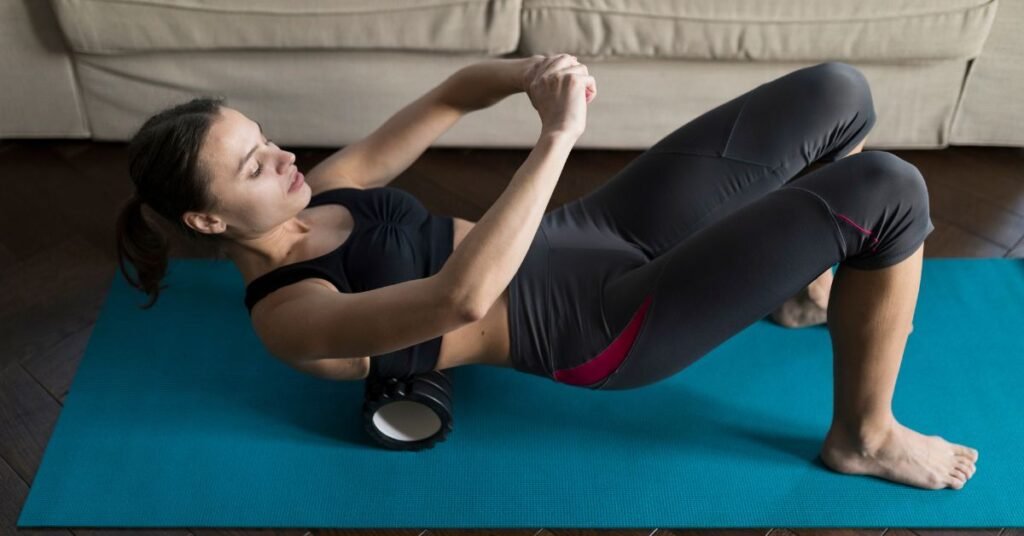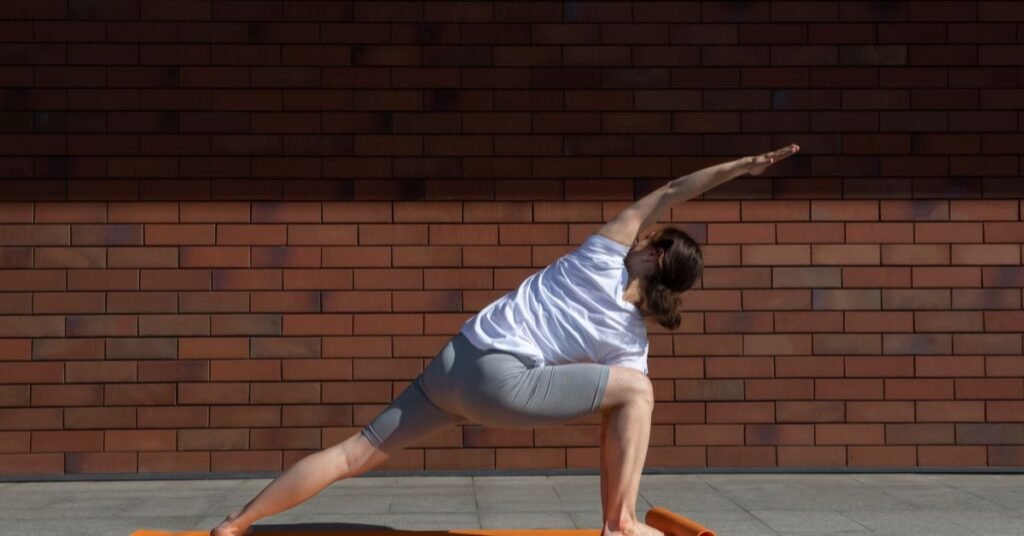

Isometric training focuses on holding positions instead of moving, helping build strength, stability, and better posture. By creating tension without joint movement, these exercises activate deep muscles that support the spine and improve overall control. Simple holds like wall sits, planks, Superman holds, push-up holds, and dead hangs can deliver powerful results in just 10–15 minutes, a few times a week. They’re especially useful for counteracting the effects of long hours of sitting and poor posture. With consistent practice and gradual progression, isometric training can strengthen joints, enhance body awareness, and improve everyday movement without putting too much stress on the body.
Strength training today often revolves around movement. More reps, heavier weights, faster workouts. Yet one of the most powerful methods for building real strength does the opposite. Instead of constant motion, it focuses on controlled stillness.
This method is known as isometric strength training, and it has been used for decades by athletes, military professionals, and rehabilitation specialists. In simple terms, it means creating muscular tension without moving the joint. The muscle contracts, but the body stays in a fixed position.
Research in exercise science shows that static contractions can recruit a high number of motor units, improving strength, joint stability, and neuromuscular coordination. These benefits make bodyweight isometric exercises extremely effective for improving posture, building core stability, and strengthening connective tissues.
Below is a quick video guide to help you follow the workout:
The best part is simplicity. 5 isometric holds, 10 to 15 minutes per session, 3 sessions per week can significantly improve strength, posture, and muscular control.
What Is Isometric Strength Training?
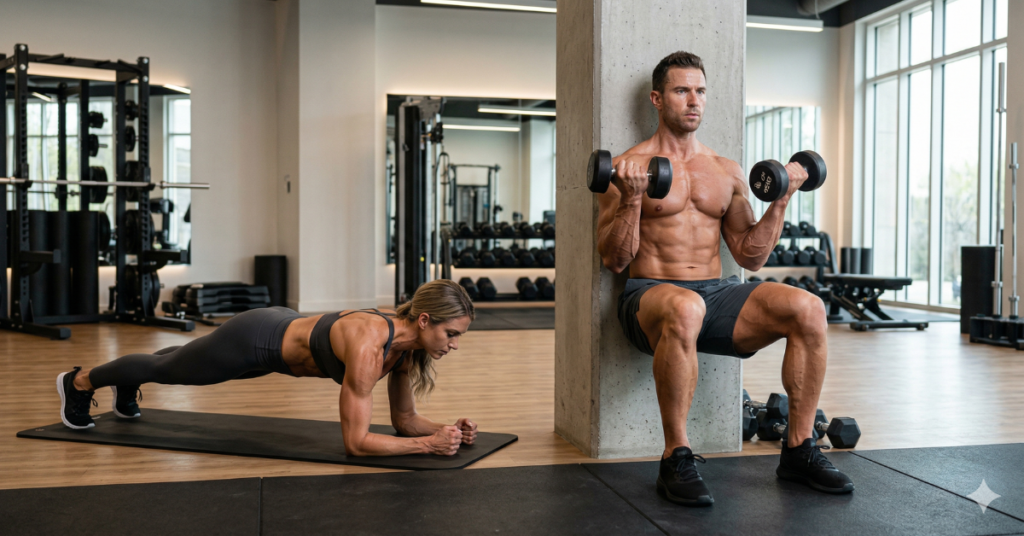
Isometric strength training occurs when muscles generate tension without visible movement. Unlike traditional strength exercises where muscles shorten and lengthen, isometric contractions maintain the same muscle length while producing force.
This constant tension challenges the nervous system and forces muscles to stabilize the body in a fixed position. Because the body cannot rely on momentum, every muscle involved must remain active throughout the hold.
For this reason, bodyweight isometric exercises are often used to strengthen weak points in movements, improve posture, and develop stronger joints. They are also widely used in rehabilitation because they place minimal stress on joints while still providing significant muscular activation.
Another important advantage is angle specific strength. When you hold a position such as the bottom of a squat or the midpoint of a push up, your muscles become stronger exactly where they are weakest. Over time, this improves performance in dynamic exercises as well.
Why Isometric Exercises Are Powerful for Posture and Stability?
Modern lifestyles often involve long hours of sitting, working on computers, and looking down at phones. Over time, this reduces activation of the posterior chain and weakens important core stabilizers that support spinal alignment. As these muscles lose strength, posture gradually shifts into rounded shoulders, forward head position, and reduced spinal stability.
Isometric exercises for posture provide a practical way to reverse this pattern. Holding static positions activates deep stabilizing muscles that are often neglected in traditional workouts. These exercises help strengthen spinal stabilizers, engage the glutes and upper back, and improve body awareness. As these muscles regain strength, maintaining proper alignment becomes easier both during workouts and throughout the day.
The strength developed through isometric training directly supports everyday movement. Static holds train the body to remain stable under load, which is essential for many daily tasks.
For example, stronger stabilizing muscles help when carrying heavy bags without leaning to one side, maintaining upright posture during long work hours, or stabilizing the spine while lifting objects or participating in sports. This type of strength improves control, reduces unnecessary strain on joints, and supports safer, more efficient movement in daily life.
The 5 Best Bodyweight Isometric Exercises
These five exercises provide a complete routine that targets the lower body, upper body, and core stabilizers. They require little or no equipment and can be performed almost anywhere.
1. Wall Sit
The wall sit is a powerful lower body endurance exercise.
Stand with your back against a wall and slide down until your thighs are parallel to the floor and your knees form a 90 degree angle. Keep your chest upright and push through your heels to activate the glutes and hamstrings.
As the hold continues, the quadriceps begin to fatigue, forcing the entire lower body to stabilize. This exercise builds leg endurance, strengthens the knees, and improves muscular resilience.
Hold for 30 to 60 seconds and perform three sets.
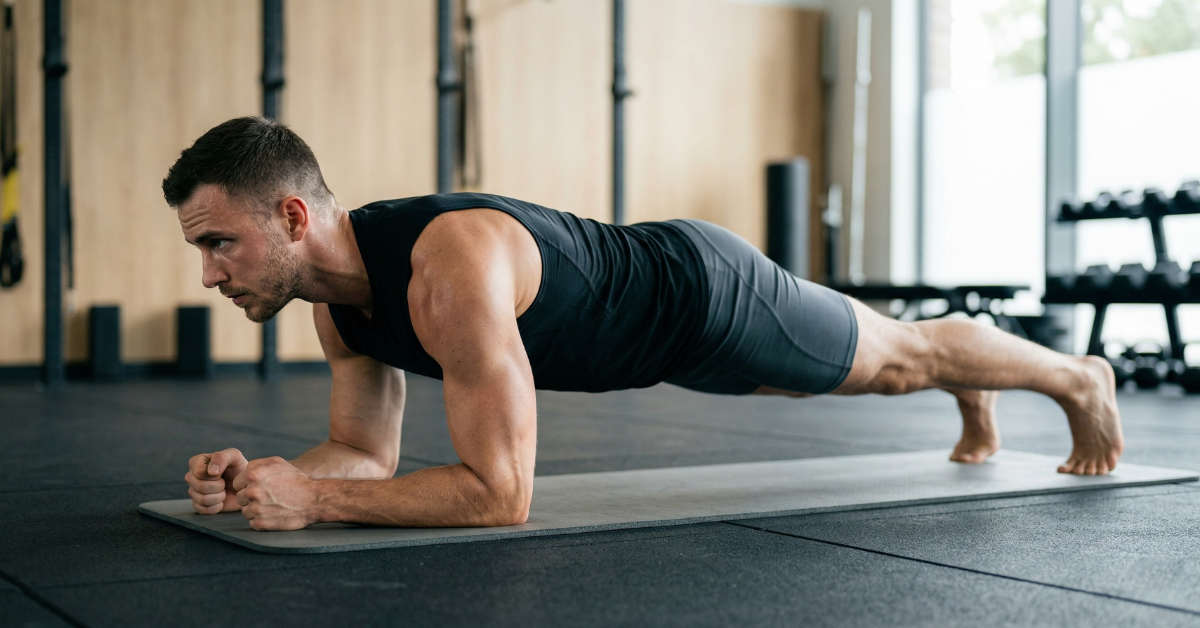
2. Plank Hold
The plank is one of the most effective isometric exercises for posture and core stability.
Place your forearms on the ground with elbows directly under your shoulders. Extend your legs behind you and form a straight line from head to heels. Tighten the core, glutes, and legs while maintaining steady breathing.
A properly executed plank activates the abdominal muscles, shoulders, and stabilizing muscles along the spine.
Instead of chasing long times, focus on creating maximum tension. Thirty seconds with perfect form is far more effective than holding several minutes with poor posture.
3. Superman Hold
The Superman hold targets the posterior chain, which includes the lower back, glutes, and hamstrings.
Lie face down on the floor with arms extended forward. Lift your chest, arms, and legs slightly off the ground and maintain the position.
This exercise helps counteract the forward leaning posture caused by prolonged sitting. Strengthening these muscles improves spinal alignment and supports better posture throughout daily activities.
Hold for 20 to 30 seconds and repeat for three sets.
4. Isometric Push Up Hold
The push up hold strengthens the chest, shoulders, and triceps at the most challenging point of the movement.
Lower yourself halfway into a push up and pause. Maintain tension through the chest and core while keeping the body in a straight line.
Because the muscles remain under constant tension, this position strengthens the exact angle where many people struggle during regular push ups.
Start with a 15 second hold and gradually progress to 30 seconds.
5. Pull Up Hold or Dead Hang
Grip strength and upper back stability are essential for many functional movements. The pull up hold directly targets these areas.
Jump or step to the top position of a pull up and hold with your chin above the bar. Engage your lats, shoulders, and arms while maintaining control.
Beginners can perform a dead hang, simply holding onto the bar while allowing the body to hang naturally. Even short holds build significant grip and shoulder strength.
Aim for 10 to 30 seconds per set.
How to Progress in Isometric Strength Training

Like any strength program, isometric training improves through progressive overload. The goal is to gradually increase the challenge placed on the muscles while maintaining proper form and tension.
Progression Methods
- Improve alignment and tension first
Before increasing time, focus on perfect body positioning and full muscular tension. Strong contractions are more important than simply holding longer. - Increase hold duration gradually
Extend the time spent in each hold as your strength improves. Small increases allow muscles and connective tissues to adapt safely. - Increase leverage or difficulty
Progress by choosing harder variations, such as lowering the push up hold closer to the floor or elevating the feet during planks. - Add external load if needed
Advanced trainees can add resistance using weight plates, resistance bands, or weighted vests.
Example progression
Week 1: 20 second holds
Week 2: 30 second holds
Week 3: 45 second holds
Safety and Training Tips
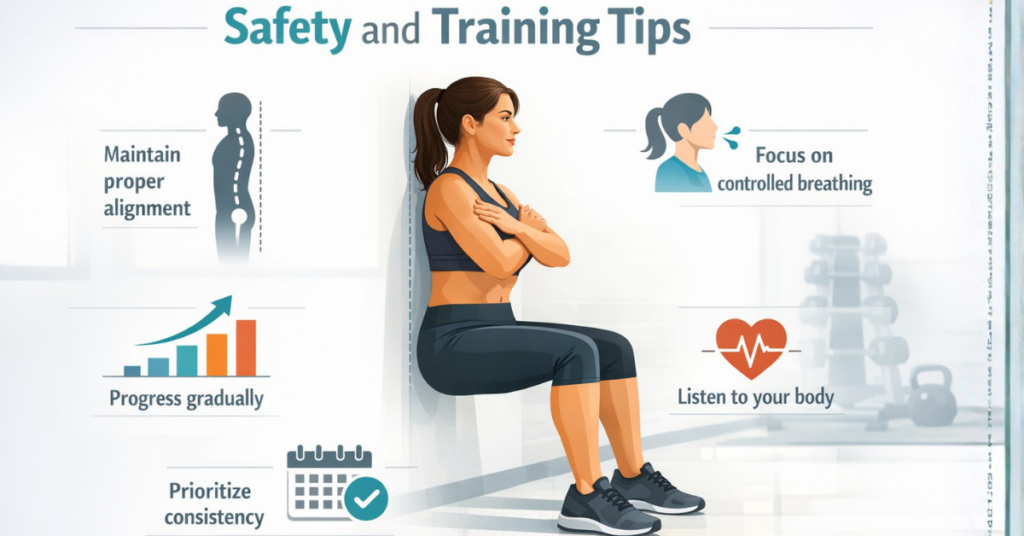
• Maintain proper alignment. Keep the body in the correct position during each hold and avoid letting posture collapse as fatigue builds.
• Focus on controlled breathing. Steady breathing helps maintain core stability and reduces unnecessary tension.
• Progress gradually. Increase hold duration slowly instead of pushing to exhaustion too quickly.
• Prioritize consistency. Regular practice produces better results than occasional intense sessions.
• Listen to your body. Stop or modify the exercise if pain or joint discomfort appears.
Consistent training with proper technique helps develop stronger joints, improved posture, and better overall body control.
Conclusion
Strength is often associated with constant movement, heavier weights, and faster workouts. Yet some of the most effective improvements come from learning how to hold strong positions under tension.
Isometric strength training develops stability, posture, and muscular endurance while placing minimal stress on the joints. With only five simple holds, anyone can build a stronger and more resilient body.
Practiced consistently, these exercises improve not only gym performance but also everyday movement. Sometimes the greatest strength is not found in how much you move, but in how well you can stay strong when everything tells you to quit.
For more practical strength training guides and science backed fitness insights, explore the latest resources at Fitness Geekz.
Ready to test your strength? Try these holds, stay consistent, and build real stability. Discover more smart training guides at Fitness Geekz and keep getting stronger every week. 💪
FAQs
1. What is isometric strength training?
Isometric strength training involves contracting muscles without joint movement. The body maintains a fixed position while generating muscular tension, improving stability and strength.
2. Are bodyweight isometric exercises effective for building muscle?
Yes. While they may not create the same muscle growth as heavy resistance training alone, they significantly improve strength, endurance, and muscle activation.
3. How often should I do isometric exercises for posture?
Two to three sessions per week are usually enough to improve posture and stability when performed consistently.
4. Are isometric exercises safe for beginners?
Yes. Because they involve minimal joint movement, they are often safer than many dynamic exercises when performed with proper form.
5. Can isometric training help with pull ups and push ups?
Absolutely. Holding positions at the most difficult part of a movement strengthens the exact angle where people typically fail.